
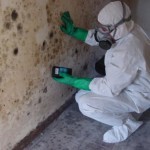
What Mold Inspection Services Do and When to Use Them
Mold inspection services help you find suspected mold, trace the moisture feeding it, and decide what needs to happen next. A professional typically checks for water damage, measures moisture, and collects air or surface samples when they would help answer a specific question. You should consider an inspection after a leak, when you notice a persistent musty smell, or before buying a property with signs of water damage. Inspection identifies the problem; remediation removes mold and fixes the conditions that allowed it to grow.
I’m Bob Zak, founder of ZOTA Professional Training. I have more than 32 years of experience in occupational health and safety, and my work in mold safety training informs this guide to choosing mold inspection services.
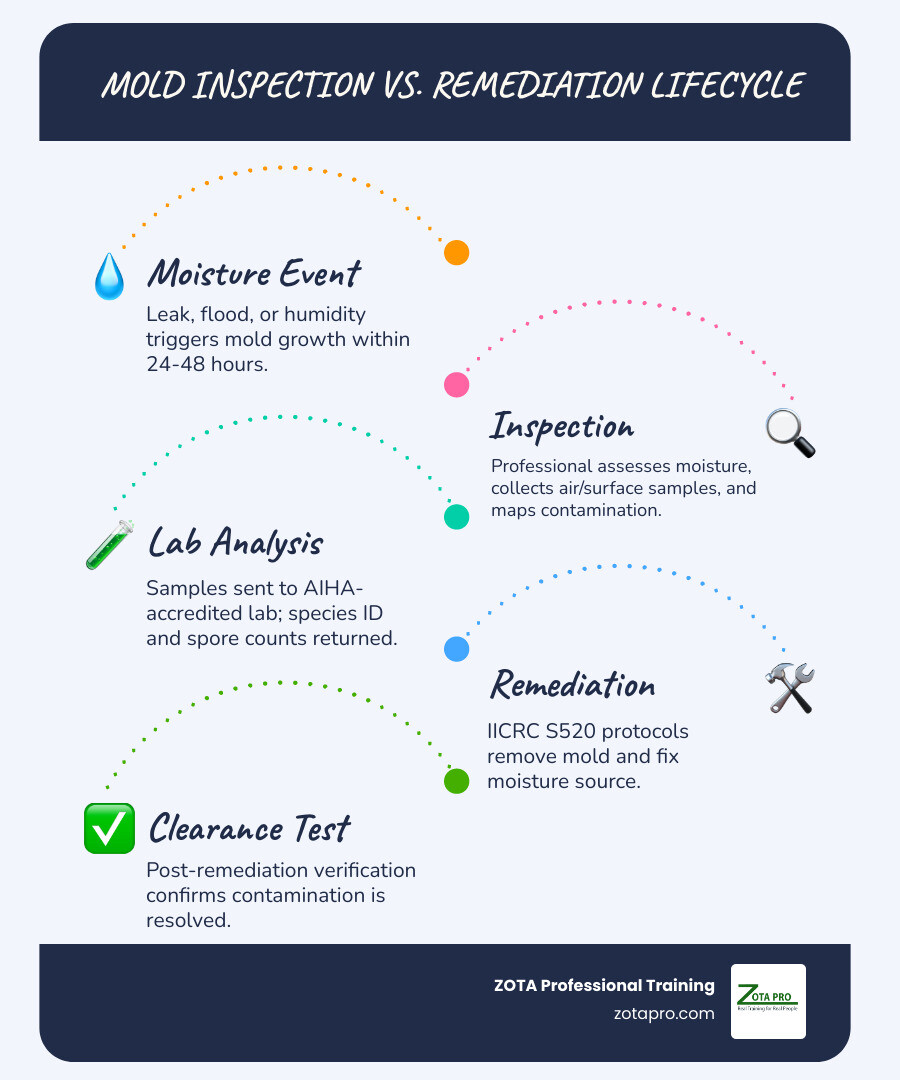
U.S. government studies show that Americans encounter 200 or more different species of mold every single day. While nature needs fungi to break down organic matter outdoors, indoor colonies can degrade structural wood framing, ruin drywall, and contaminate the air you breathe. Knowing when and how to hire qualified professionals ensures your indoor environment stays safe and healthy.
Understanding Professional Mold Inspection Services vs. Remediation
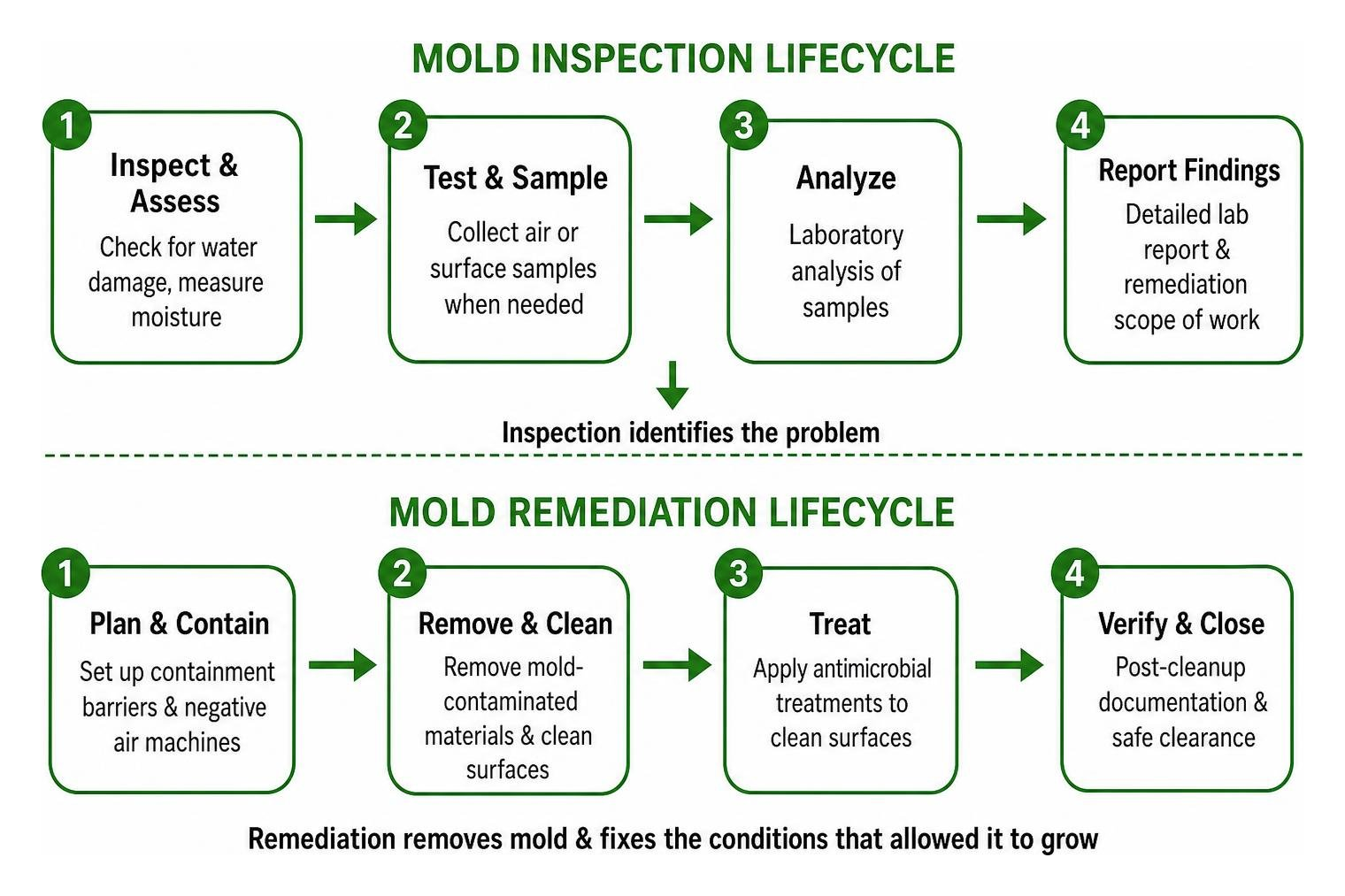
One of the most common points of confusion for property owners is distinguishing between an inspection and the cleanup process itself. In short: inspection is diagnostic, while remediation is the physical repair and removal.
When you hire a professional assessor, their primary duty is to identify the presence, species, concentration, and moisture source behind any fungal growth. A remediation contractor, on the other hand, sets up physical containment barriers, runs HEPA-filtered air scrubbers, discards contaminated porous materials, and applies antimicrobial treatments to clean surfaces.
Following strict IICRC S520 protocols and relying on AIHA-accredited laboratories for sample analysis guarantees that your assessment is rooted in sound science. The US EPA guidelines on mold assessment and cleanup highlight the distinct scopes required to resolve indoor fungal issues safely.
| Feature / Phase | Mold Inspection & Assessment | Mold Remediation |
|---|---|---|
| Primary Goal | Locate moisture sources, measure spores, map contamination | Contain, remove, clean, and dispose of mold colonies |
| Tools Used | Thermal cameras, moisture meters, air cassettes, swabs | HEPA vacuums, negative air machines, containment poly |
| Key Deliverable | Detailed laboratory report & remediation scope of work | Signed post-cleanup documentation & safe clearance |
| Typical Costs | $300 to $800 (residential standard) | $3,000 to $25,000+ (depending on spread) |
| Conflict Standard | Should remain an independent third-party | Performs the physical work designed by the assessor |
How Independent Mold Inspection Services Protect Property Owners
Separating the testing firm from the remediation contractor is vital. If the same company that tests your indoor air also bids on the cleanup, an inherent conflict of interest arises. An assessor with a financial stake in remediation might be tempted to turn a minor patch of mildew into a multi-thousand-dollar abatement project.
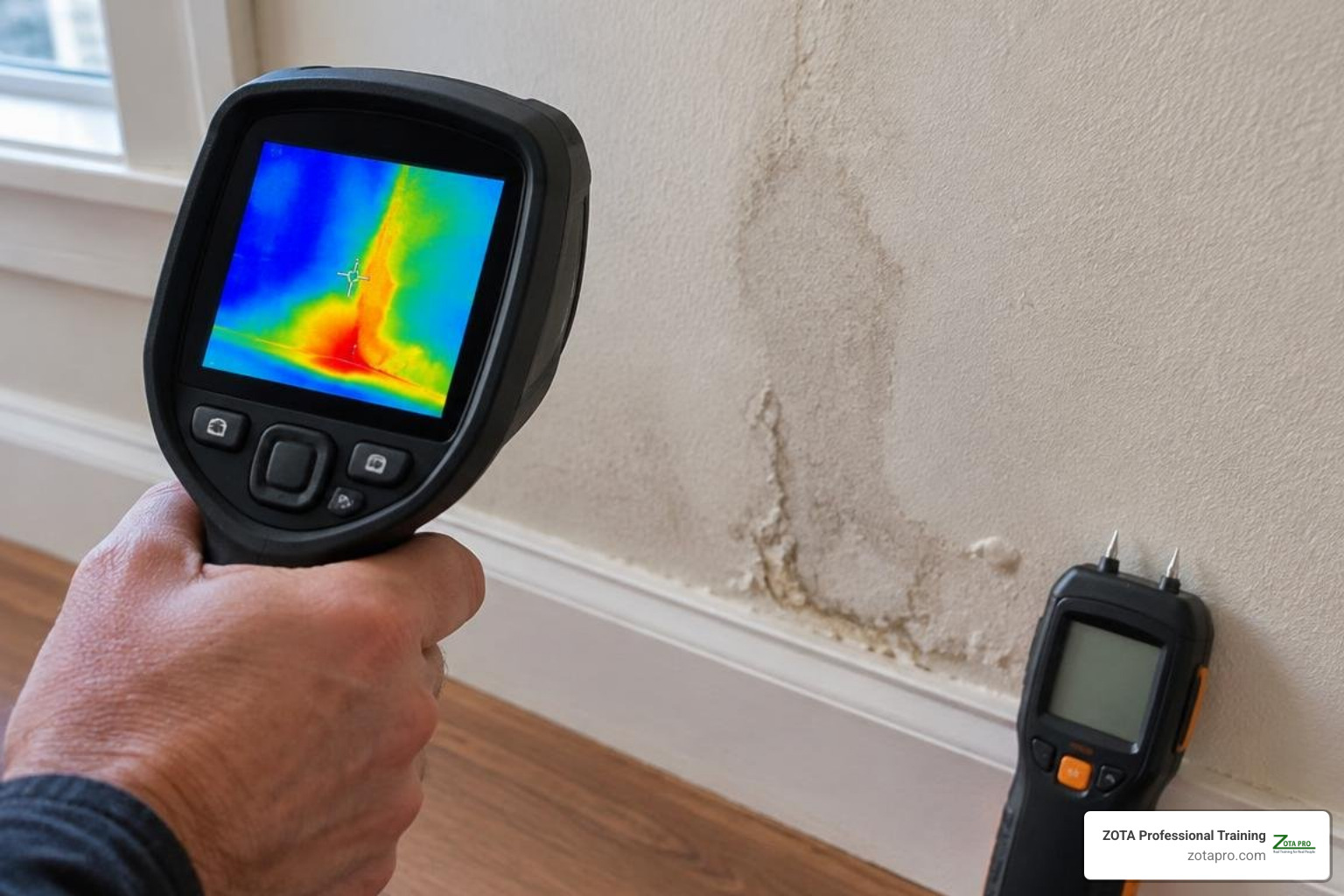
Independent third-party testing guarantees unbiased reporting. A dedicated inspector utilizes precision moisture mapping and infrared thermal imaging to identify water intrusion behind walls without tearing them open unnecessarily.
Furthermore, independent assessors perform crucial post-remediation verification (clearance testing). Once remediation contractors conclude their cleanup, the assessor returns to verify that indoor spore counts have returned to normal background levels. For commercial properties, specialized protocols for commercial mold assessments prevent operational downtime and protect employee safety by ensuring diagnostics remain objective for large-scale facilities.
Critical Signs and Situations When to Schedule an Assessment
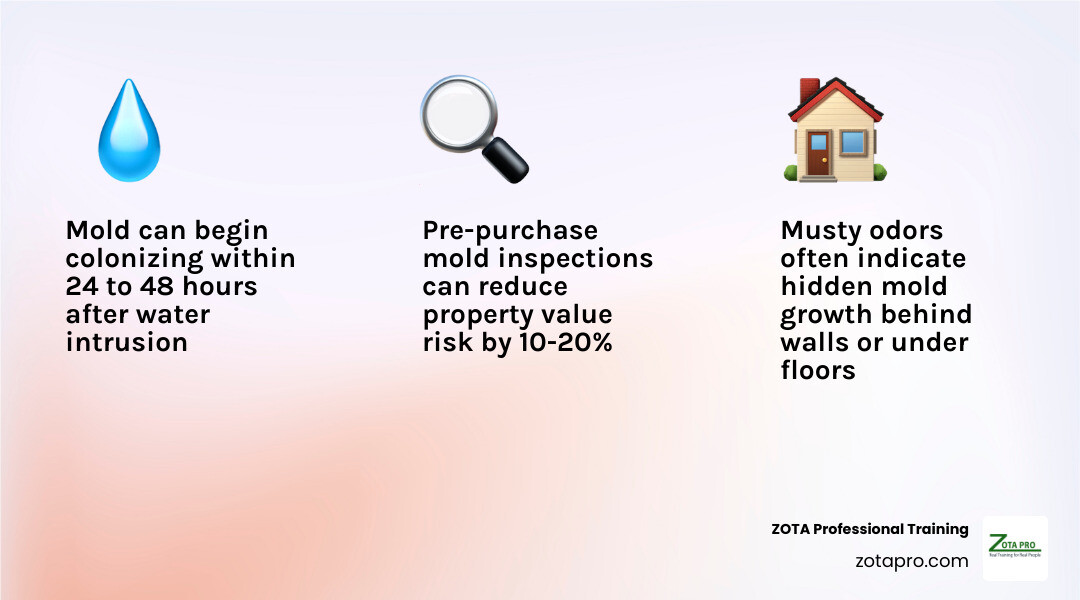
Mold spores require only moisture, oxygen, and an organic food source (such as drywall paper or wood subfloors) to colonize. Under ideal conditions, active fungal growth can begin within 24 to 48 hours of a water event.
You should schedule an assessment under the following conditions:
- Pervasive Musty Odors: An earthy, sour smell lingering in basements, crawlspaces, or near HVAC vents often signals hidden growth behind finished surfaces.
- Past or Present Water Intrusion: Roof leaks, plumbing failures, burst supply lines, or foundation seepage warrant an immediate moisture and spore evaluation.
- Real Estate Closings: A buyer inspection that flags mold can knock 10 to 20 percent off a property’s sale price or derail the deal entirely. A pre-purchase evaluation provides leverage and peace of mind.
- Unexplained Health Symptoms: Occupants experiencing persistent headaches, sinus congestion, eye irritation, or exacerbated asthma may be responding to elevated fungal levels. Recognizing the health effects of mold exposure symptoms and long-term risks is often the first trigger for scheduling a comprehensive evaluation.
Evaluating Mold Assessment Costs, Testing Methods, and Qualifications
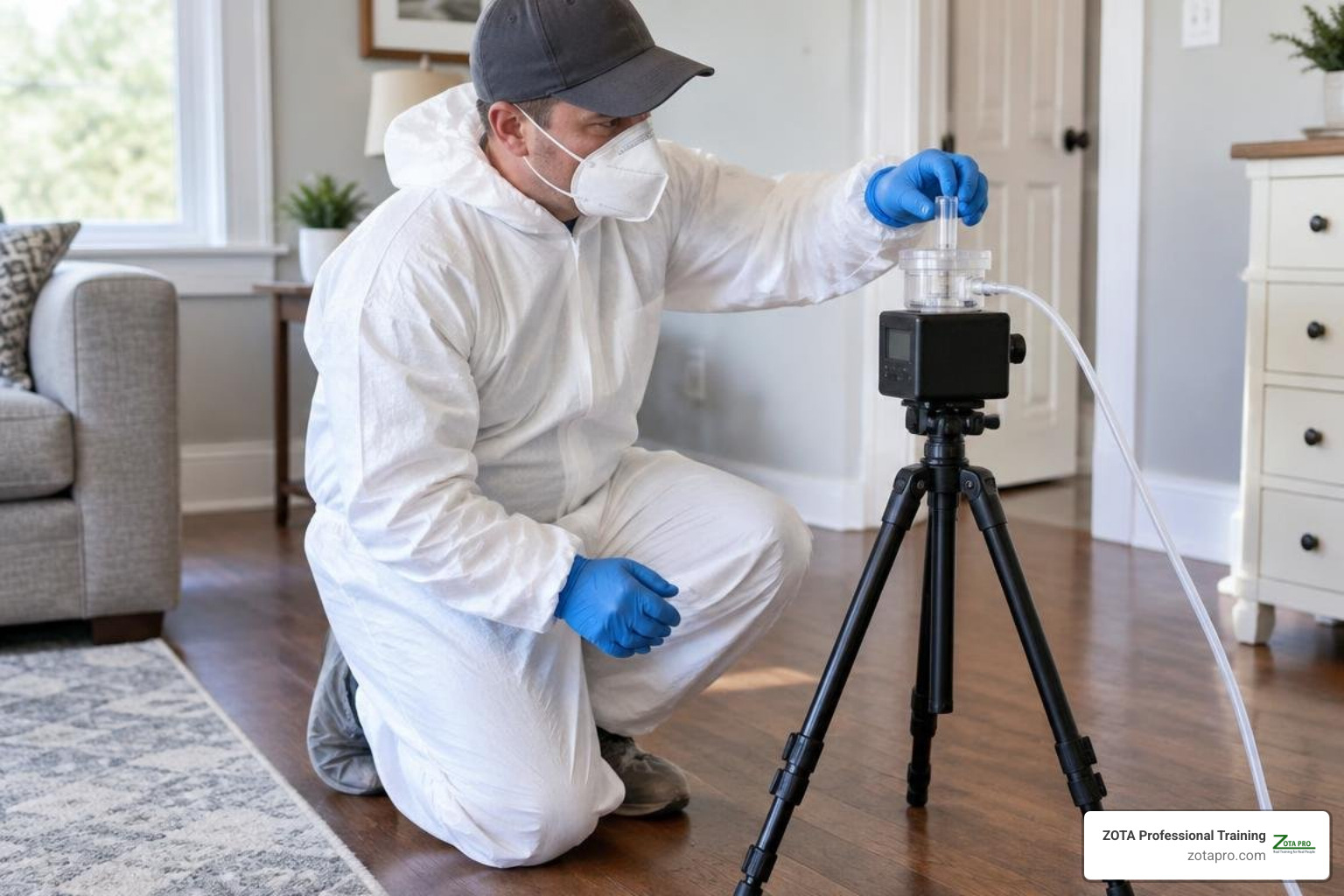
A thorough assessment requires more than just walking around and taking a quick look. In fact, relying on surface inspection alone misses up to 80 percent of actual growth when moisture is trapped inside wall cavities, ceiling plenums, or subfloor assemblies. Professional assessors rely on rigorous laboratory chains of custody to ensure every collected sample produces legally defensible data.
Comparing Sampling Methods Across Mold Inspection Services
Certified assessors select specific sampling strategies based on the property layout, visible damage, and occupant health reports:
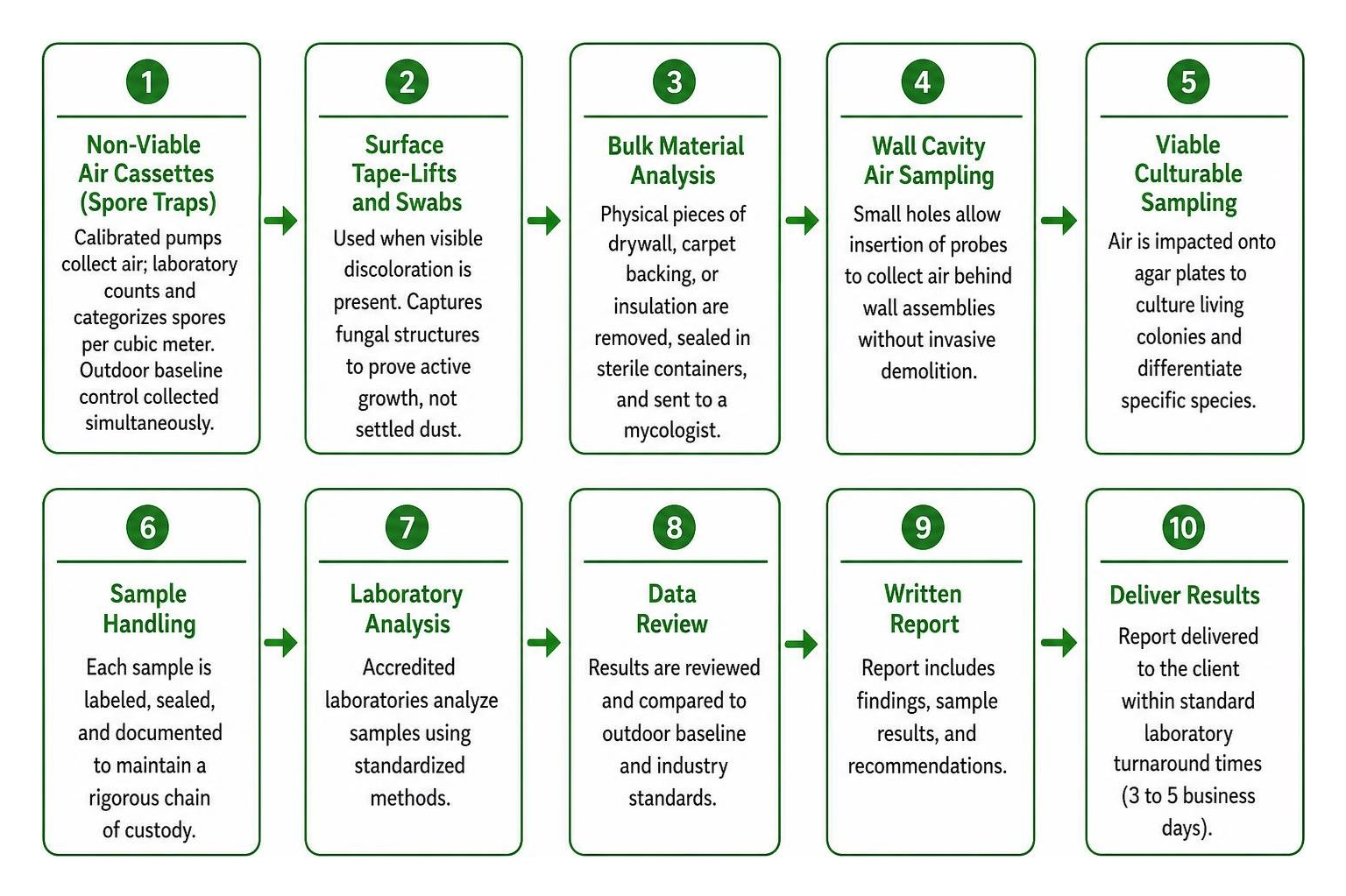
- Non-Viable Air Cassettes (Spore Traps): Calibrated air pumps draw a known volume of air across a sticky slide. An accredited laboratory counts and categorizes the total spores per cubic meter. Assessors always collect outdoor baseline control samples simultaneously to establish normal ambient levels for comparison.
- Surface Tape-Lifts and Swabs: Used when visible discoloration is present. A tape lift captures fungal structures (hyphae, conidiophores) to prove active growth rather than settled dust.
- Bulk Material Analysis: Physical pieces of drywall, carpet backing, or insulation are removed, sealed in sterile containers, and sent to a mycologist to identify deep mycelial penetration.
- Wall Cavity Air Sampling: Assessors drill tiny, unobtrusive holes into baseboard areas or drywall to insert collection probes, sampling the air behind wall assemblies without invasive demolition.
- Viable Culturable Sampling: Air is impacted onto agar plates to culture living colonies, which helps differentiate specific species when medical-grade indoor air quality evaluations are required.
Breaking Down Inspection Costs, Timelines, and Lab Deliverables
A standard residential mold assessment typically ranges from $300 to $800 across most regions, depending on the square footage and the number of physical samples collected. While visual inspections without sampling sit at the lower end of that scale, comprehensive testing with laboratory analysis incurs additional lab processing fees (often $30 to $150 per sample).
Standard laboratory turnaround times run between 3 to 5 business days, though rush 24-hour processing is available for real estate emergencies or active insurance claims. The final deliverable should always be a written report containing:
- Calibrated moisture meter readings and relative humidity maps.
- Infrared thermal imaging scans highlighting temperature differentials.
- AIHA-accredited laboratory spore trap and direct exam findings.
- Plain-language interpretations comparing indoor spore counts to outdoor baselines.
- A remediation scope of work outlining containment, cleaning, and clearance criteria if elevated levels are identified.
How to Choose a Qualified Assessor and Obtain Professional Certification

When selecting an assessor, verify that they carry independent certifications from accredited bodies such as the American Council for Accredited Certification (ACAC) or the IICRC. Furthermore, make sure the professional complies with all regional mandates; for instance, reviewing state-specific frameworks such as the New York mold licensing requirements for assessors contractors and workers demonstrates how strict legal firewalls prevent firms from performing both assessment and abatement on the same project.
For home inspectors, environmental contractors, and safety specialists looking to expand their professional services, obtaining formal training is essential. Understanding mold inspector certification requirements building professionals need helps bridge the gap between building science and practical field diagnostics.
We at ZOTA Professional Training provide comprehensive, EPA-accredited and state-approved safety and environmental certification courses. We offer flexible, multilingual (English and Spanish) hybrid and group training options with nationwide on-site support to equip you with the practical skills needed to conduct thorough evaluations. Whether you are enrolling in a certified mold certification/assessor initial course or exploring our foundational guide on want to get mold certified heres how to do it the right way, getting the right credentials ensures you can protect building occupants and deliver reliable, defensible results every time.