

Top-Rated Lead Paint Testing Kits Compared
When selecting among the best lead paint testing kits, understanding the underlying chemical mechanism, regulatory recognition, and sensitivity is essential. Consumer kits generally rely on wet-chemical color changes (such as sodium sulfide or rhodizonate formulations) or modern perovskite-based photoluminescence.
The table below outlines how top-performing kits compare across critical metrics:
| Test Kit | Primary Chemistry | Detection Limit | Test Count | Target Surfaces | EPA Recognized (RRP) | Approx. Cost |
|---|---|---|---|---|---|---|
| D-Lead | Sodium Sulfide / Hydroxide | 1.0 mg/cm² (0.5% by wt) | 7 tests | Wood, metal, drywall, plaster | Yes | $42.99 |
| Lumetallix | Perovskite UV Reaction | ~5 ppm (high sensitivity) | 400–500 tests | Paint, ceramics, toys, soil, dust | No (Screening only) | $79.00 |
| Safe Home Combo | ACS-grade Color Swabs + Lab | 5 ppm (DIY) / 0.006 ppm (Lab) | 10 swabs + 1 lab test | Paint, dust, wood, soil | Lab is certified | $29.99–$45.00 |
| Detekt Rapid Test | Wet Chemical + Water Strip | 5 ppm (solid) / 10 ppb (water) | 5 swabs + 1 water test | Paint, solids, tap water | No (Screening only) | $24.99 |
| Fluoro-Spec | Methylammonium Bromide UV | Variable trace surface lead | Up to 3,600 tests | Metal, paint, vinyl, ceramics | No (Screening only) | $75.00 |
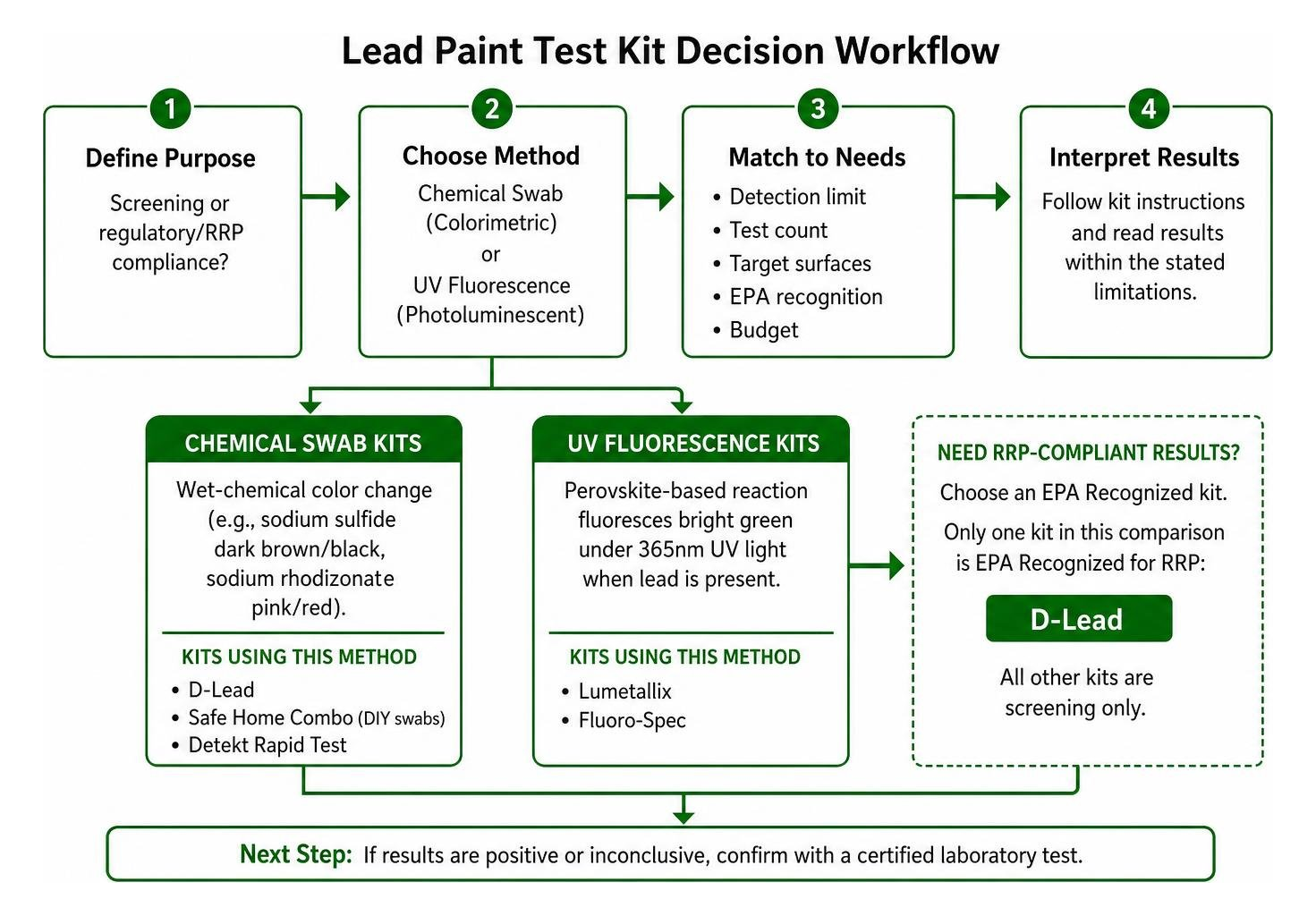
Chemical Swab vs. UV Fluorescence Lead Paint Testing Kits
Traditional colorimetric screening kits rely on chemical reagents that alter color upon contact with reactive lead ions. Sodium sulfide methods turn dark brown or black, while sodium rhodizonate turns pink or red. While dependable, standard swabs can sometimes yield inconclusive results when applied to dark-colored pigments or multiple coats of heavy paint.
In contrast, fluorescence-based testing using the Lumetallix Instant Lead Test Kit and the Full Fluoro-Spec Test Kit represents a shift toward photoluminescent detection. These reagents react with lead salts to form a synthetic methylammonium lead halide perovskite structure. When illuminated by a 365nm UV flashlight, any lead present fluoresces with a bright, vivid green glow.
Key differences include:
- Sensitivity: Perovskite reagents claim up to 1,000 times greater sensitivity than traditional swab tests, making them exceptional at detecting microscopic lead dust or surface residue on vintage toys and cookware.
- Destructive vs. Non-Destructive: Swabs often require cutting or gouging paint to expose bottom layers. UV liquids can be sprayed broadly over surfaces to spot migration or leaching, though deep-layer paint testing still requires exposing the underlying substrate.
- Interference: Chemical swabs can react to dark substrates or high concentrations of other metals like barium or iron, whereas the characteristic green photoluminescence of perovskite crystals provides distinct visual confirmation.
In-Depth Reviews of the Best Lead Paint Testing Kits
1. D-Lead Professional Paint Test Kit
The Lead in Paint Test | D-Lead EPA-Validated Kit remains the benchmark for regulatory compliance. Recognized by the EPA under the RRP rule for use on wood, ferrous metal, drywall, and plaster, it provides contractors and renovators with a legally defensible on-site field screening tool. Each kit provides 7 complete tests and requires collecting a precise 3/16-inch sample to ensure an exact chemical-to-sample ratio.
2. Safe Home DIY Surface Lead Combo Kit
For homeowners who want rapid answers backed by analytical laboratory confirmation, the Safe Home 10pk DIY Surface Lead Combo Test Kit includes ten rapid surface swabs (sensitive to 5 ppm) alongside sample-collection supplies to send questionable materials to an EPA-certified testing laboratory.
3. Detekt Total Toxic Lead Test Kit
The Detekt Lead Test Kit is designed for broader household safety audits. In addition to 5 surface swabs calibrated for 5 ppm detection on trim and furniture, it features a lateral flow strip that checks drinking water against the EPA 10 ppb threshold in roughly 5 minutes.
How to Act on Test Results and Ensure Regulatory Compliance
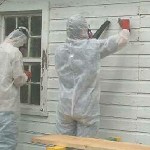
If an at-home test confirms or suggests lead, pause before sanding, scraping, or demolishing. Learning the proper methods for checking your home for lead hazards is the first step to prevent spreading toxic dust through your HVAC system and living areas.
Anyone planning repairs, repainting, or structural alterations must fully understand the dangers of lead exposure. When lead-based paint is disturbed, fine particulates settle on floors, window sills, and toys.
For contractors, landlords, and property managers working on pre-1978 properties, federal law requires adherence to the EPA Lead Renovation, Repair, and Painting (RRP) Rule. At ZOTA Professional Training, we deliver EPA-accredited compliance and certification courses nationwide to teach professionals containment setups, HEPA shroud usage, and proper waste management.
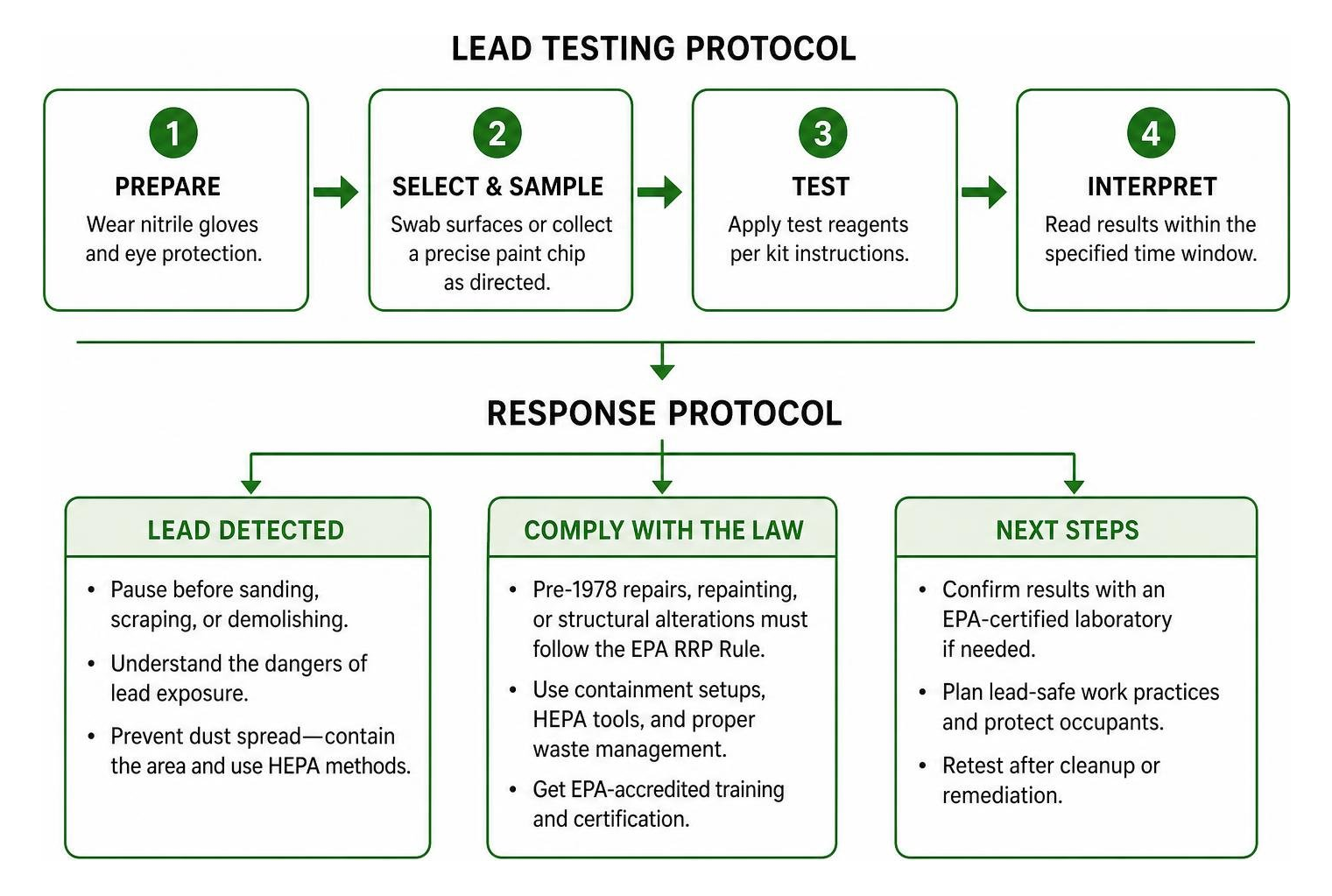
Step-by-Step Testing Protocol and Safety Guidelines
Achieving accurate results with chemical field kits requires following strict procedural steps, such as those detailed in the official D-Lead Test Manual:
- Equip Safety Gear: Wear nitrile gloves and protective eyewear to protect against hazardous reagents (such as ammonium sulfide or sodium hydroxide).
- Expose All Paint Layers: Lead paint is almost always located in older, base layers. Use a razor knife or sampling punch to score a cross-section down to the bare substrate.
- Apply Reagents Precisely: Place the sample chip in the reaction tube or apply the reagent swab firmly across all exposed paint layers for 30 to 60 seconds.
- Use Verification Strips: Always test the reagent against the manufacturer’s included test strip to ensure the chemicals remain active.
- Clean and Contain: Clean test areas with specialized D-Wipe towels and place all chemical waste and paint shavings into designated disposal bags. Store unused reagents below 90°F (32°C) away from direct sunlight.
High-Risk Friction Surfaces to Test First:
- Window sashes, sills, and jambs
- Interior and exterior door frames
- Baseboards and stair treads
- Porch railings and painted exterior siding
- Built-in cabinetry and antique furniture
Limitations of At-Home Kits and When to Hire a Certified Inspector
While over-the-counter kits are useful screening tools, they have clear limitations. Chemical reagents cannot quantify the total lead concentration across an entire building envelope, and they can produce false negatives if the user fails to expose early paint layers beneath modern latex coats.
Before investing substantial capital into renovations, verify if a lead inspection is required before renovating an older home.
For definitive evaluations, consider finding a certified lead-based paint inspector equipped with high-precision X-Ray Fluorescence (XRF) analyzers that non-destructively measure lead through dozens of paint layers.
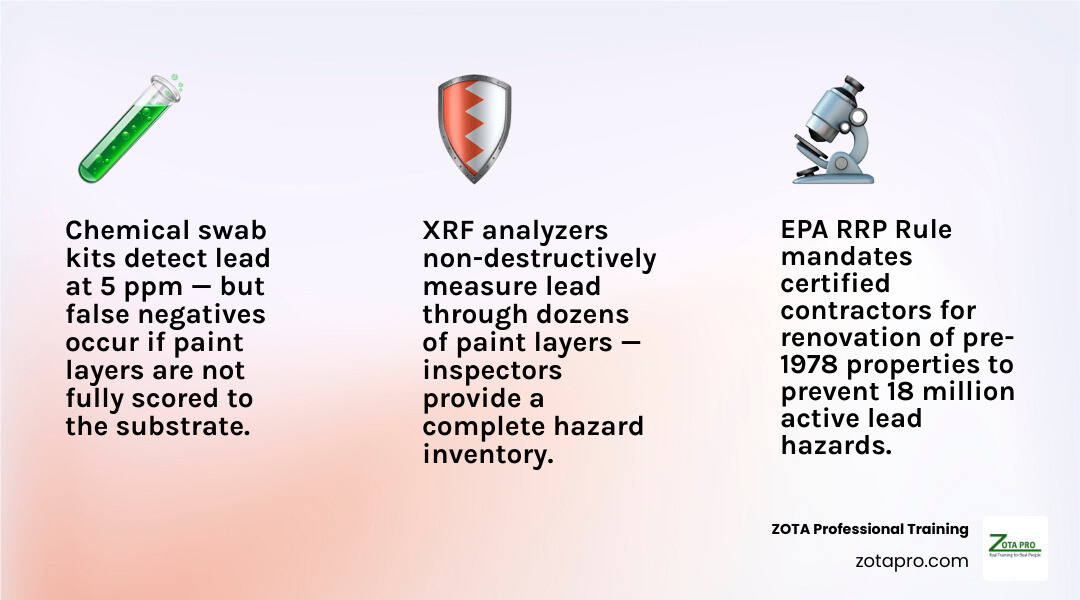
Understanding the differences between a lead inspector and a lead risk assessor will help you choose the right professional service: an inspector provides a comprehensive inventory of all lead-containing building components, while a risk assessor identifies specific, active hazards and prescribes an actionable mitigation strategy.