
Choose a Lead Training Course That Matches Your Work
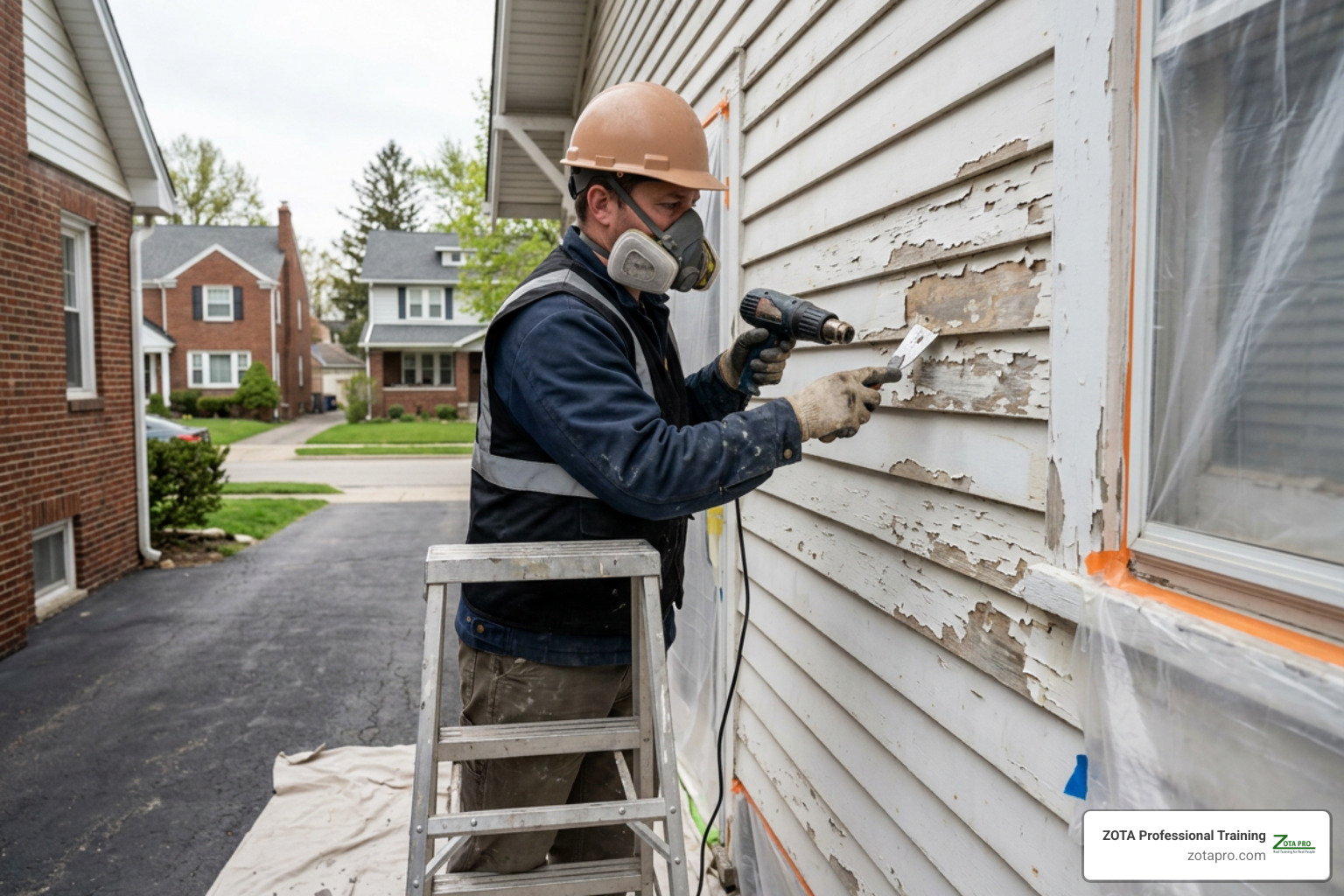
The right lead training course depends on what your crew will do, where you work, and which rules apply. For most contractors renovating pre-1978 homes, start by comparing:
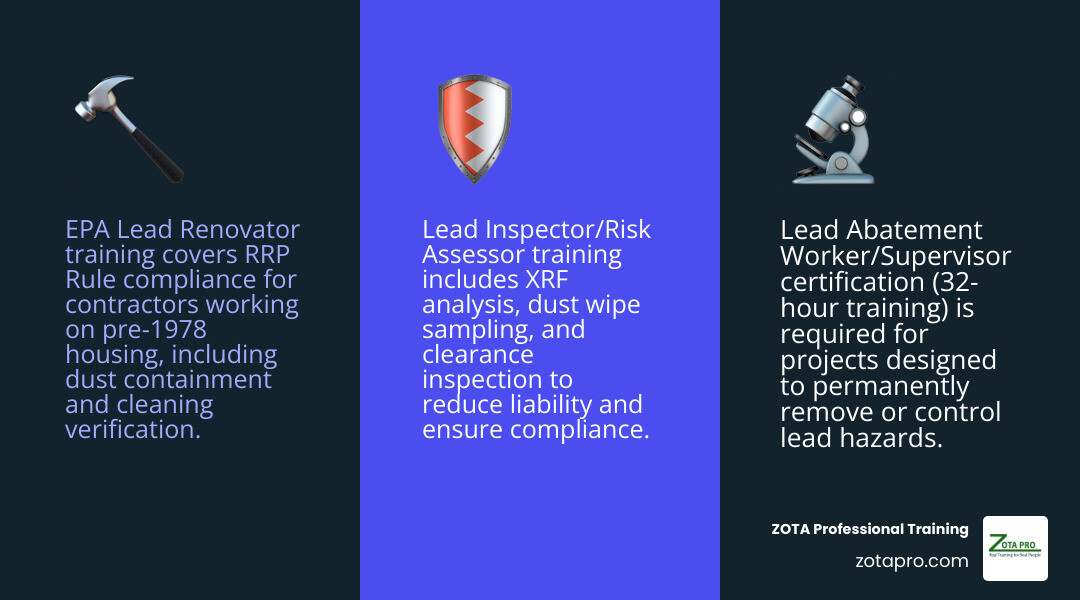
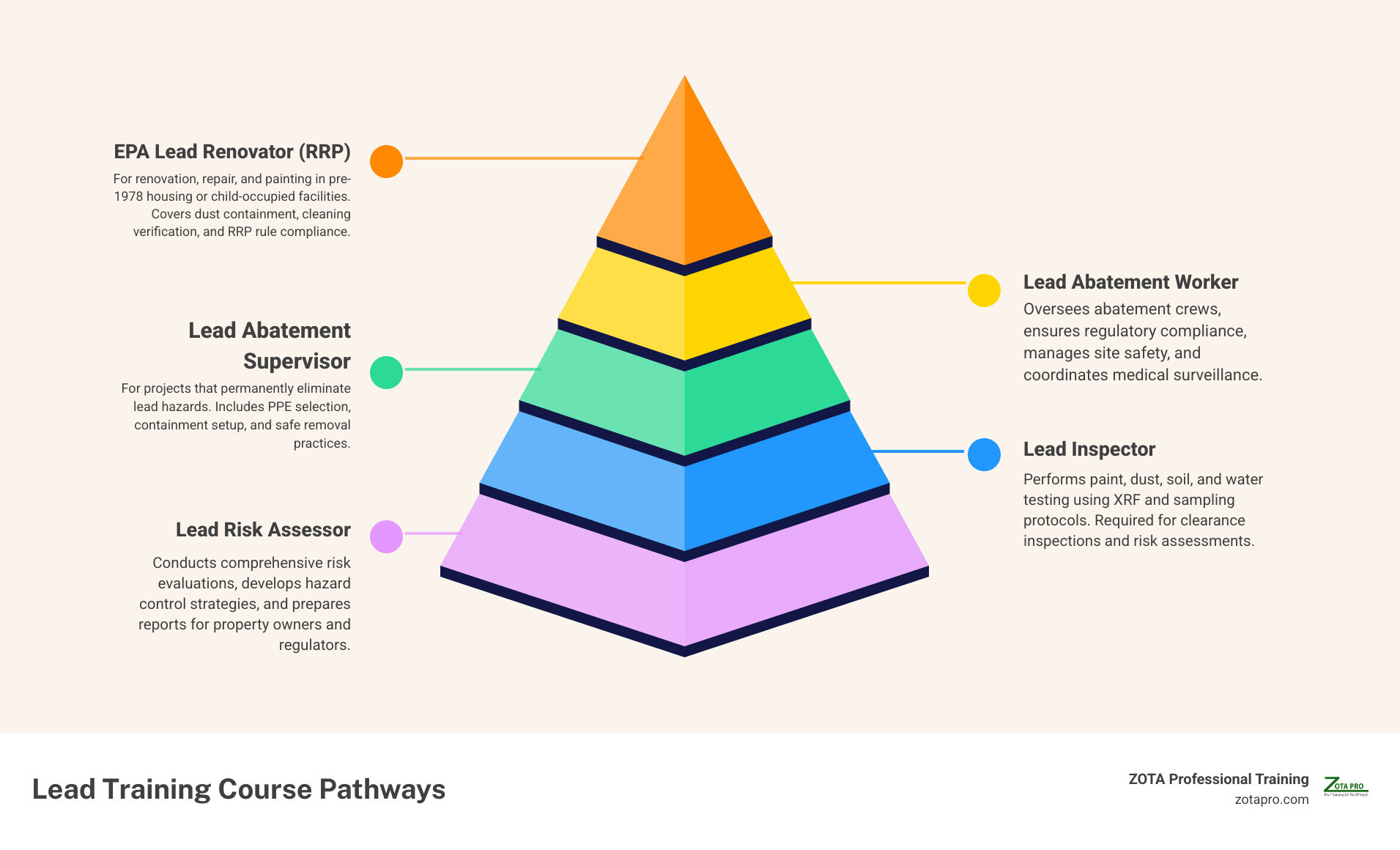
- EPA Lead Renovator training for renovation, repair, and painting work covered by the RRP Rule.
- Lead Abatement Worker or Supervisor training for projects designed to permanently remove or control lead hazards.
- Lead Inspector or Risk Assessor training for professionals who test paint, dust, soil, and water or complete clearance work.
Before enrolling, confirm that the provider is accredited for your state, the curriculum reflects current EPA requirements, and the format includes required hands-on practice. Also check whether your company needs separate firm certification. A course certificate alone may not authorize a business to perform regulated work.
Lead is a serious health hazard, especially for children and workers who breathe contaminated dust or carry it home on clothing. Strong training helps crews contain dust, choose proper PPE, clean correctly, document the work, and protect clients, employees, and the business from preventable compliance failures.
I am Bob Zak, Founder and CEO of ZOTA Professional Training, with more than 32 years of occupational health and safety experience, including work as an Occupational Health & Safety Manager. Since founding ZOTA in 2004, I have helped contractors and professionals find the right lead training course for practical, compliant work in the field.
Key terms for lead training course:
Introduction: Navigating Lead Safety and Regulatory Standards
Lead remains one of the most persistent and toxic environmental hazards in the built environment. In older residential properties built before 1978, public housing, commercial facilities, and industrial job sites, the primary threat stems from toxic lead dust generated during disturbance. Inhalation or ingestion of fine particulates can cause irreversible neurological impairment in young children and chronic cardiovascular, renal, and reproductive disorders in adults.
The regulatory landscape governing lead is stringent. The Environmental Protection Agency (EPA) enforces the Renovation, Repair, and Painting (RRP) Rule alongside Title X regulations to minimize worker and occupant exposure. In 2026, revised dust-lead action levels and updated reportable thresholds took full effect, holding contractors, property managers, and safety officers to tighter clearance criteria.
Failing to comply is expensive: federal civil penalties for non-compliance can reach up to $37,500 per day per violation. Navigating these mandates demands structured education tailored to your specific field operations.
How to Choose the Right Lead Training Course for Your Discipline
Selecting the correct certification path depends on your project goals, your career pathway, and the governing regulatory agency. The EPA distinguishes between projects intended to renovate or modernize property and those specifically designed to permanently eliminate lead-based paint hazards (abatement).
Understanding whether your work falls under EPA mandates, Department of Housing and Urban Development (HUD) guidelines, or OSHA construction standards ensures that you invest in the right credential.
| Course Discipline | Duration | Target Audience | Primary Focus | Regulatory Authority |
|---|---|---|---|---|
| EPA Lead Renovator | 8 Hours (1 Day) | General contractors, painters, electricians, window installers | Dust containment, cleaning verification, interim controls | EPA RRP Rule / HUD |
| Lead Abatement Worker | 16–24 Hours (2–3 Days) | Specialized abatement crew members | Permanent hazard elimination, full containment, waste handling | EPA / State Abatement Programs |
| Lead Abatement Supervisor | 32 Hours (4 Days) | Foremen, project managers, safety directors | Abatement plan design, site oversight, crew protection | EPA / State Programs / HUD |
| Lead Inspector / Risk Assessor | 40 Hours (5 Days) | Environmental consultants, municipal inspectors | XRF analysis, wipe/soil/water sampling, hazard reporting | EPA / State Licensing Boards |
EPA Lead Renovator Initial vs. Refresher Programs
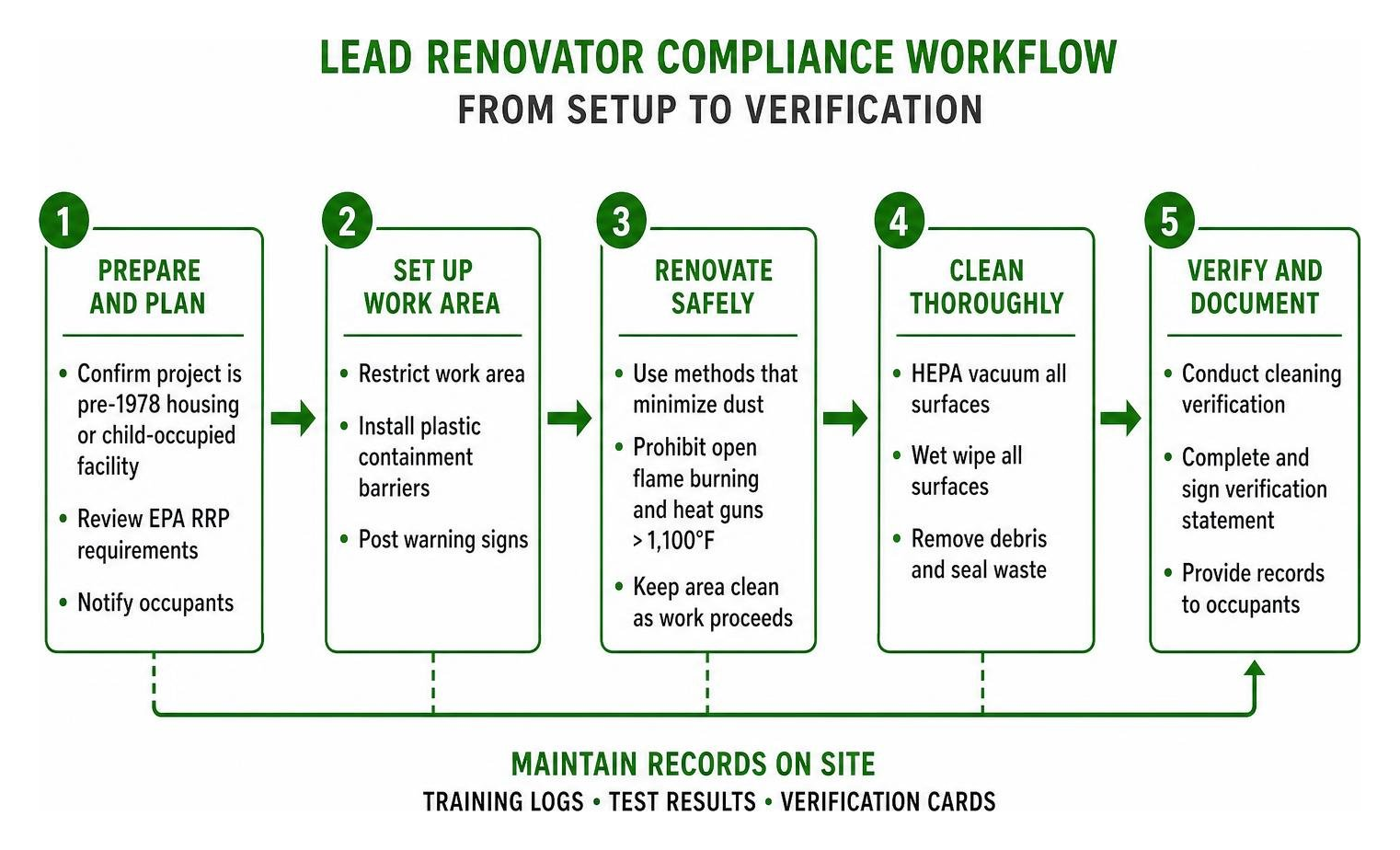
For professionals involved in remodeling, maintenance, or painting in pre-1978 housing and child-occupied facilities, exploring lead renovation training: finding the right EPA RRP class for you is the baseline starting point.
The official Model Renovator Initial Training Course | US EPA curriculum ensures contractors master non-destructive testing, setup of plastic containment barriers, specialized HEPA vacuuming methods, and post-work cleaning verification.
Completing the 8-hour EPA Lead Renovator Initial Certification Course grants individual certification valid for five years following the successful completion of a 25-question exam. To maintain good standing, renovators must complete an approved refresher course before that five-year credential lapses. Thorough recordkeeping—such as keeping on-site copies of test results, worker training logs, and cleaning verification cards—remains mandatory on all RRP-regulated job sites.
Lead Abatement Worker and Supervisor Certifications
Abatement projects require a fundamentally different skillset than standard renovation. Abatement aims to permanently eliminate lead hazards through methods like component removal, enclosure, encapsulation, or paint stripping. To understand the structural differences between these career paths, reviewing how EPA lead certification explained: which course is right for you? helps outline the regulatory tiers.
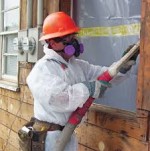
Abatement worker training focuses heavily on practical execution: personal protective equipment (PPE) selection, negative air pressure containment, wet-sanding methods, hazardous waste handling, and medical surveillance protocols.
The 4-day (32-hour) Lead Supervisor course expands on these fundamentals, teaching professionals how to draft written abatement plans, manage contractor liability, supervise daily containment conditions, and ensure absolute compliance with OSHA and EPA standards.
Lead Inspector and Risk Assessor Requirements
Lead Inspectors and Risk Assessors carry the analytical responsibility of evaluating properties before, during, and after remediation. These 5-day comprehensive programs teach technicians how to use X-ray Fluorescence (XRF) analyzers to instantly measure lead concentrations in paint layers without damaging surfaces.
Additionally, students master standardized sampling protocols for dust wipes, composite paint chips, bare soil, and drinking water.
Participants learn to assess deterioration levels, apply HUD interim guidelines, author actionable risk reduction reports, and conduct mandatory post-abatement clearance inspections. Because these roles carry high liability, state licensing boards typically enforce strict prerequisites, such as prior field experience, professional certifications, or secondary degrees in physical or environmental sciences.
Key Factors to Evaluate When Selecting a Training Provider and Program
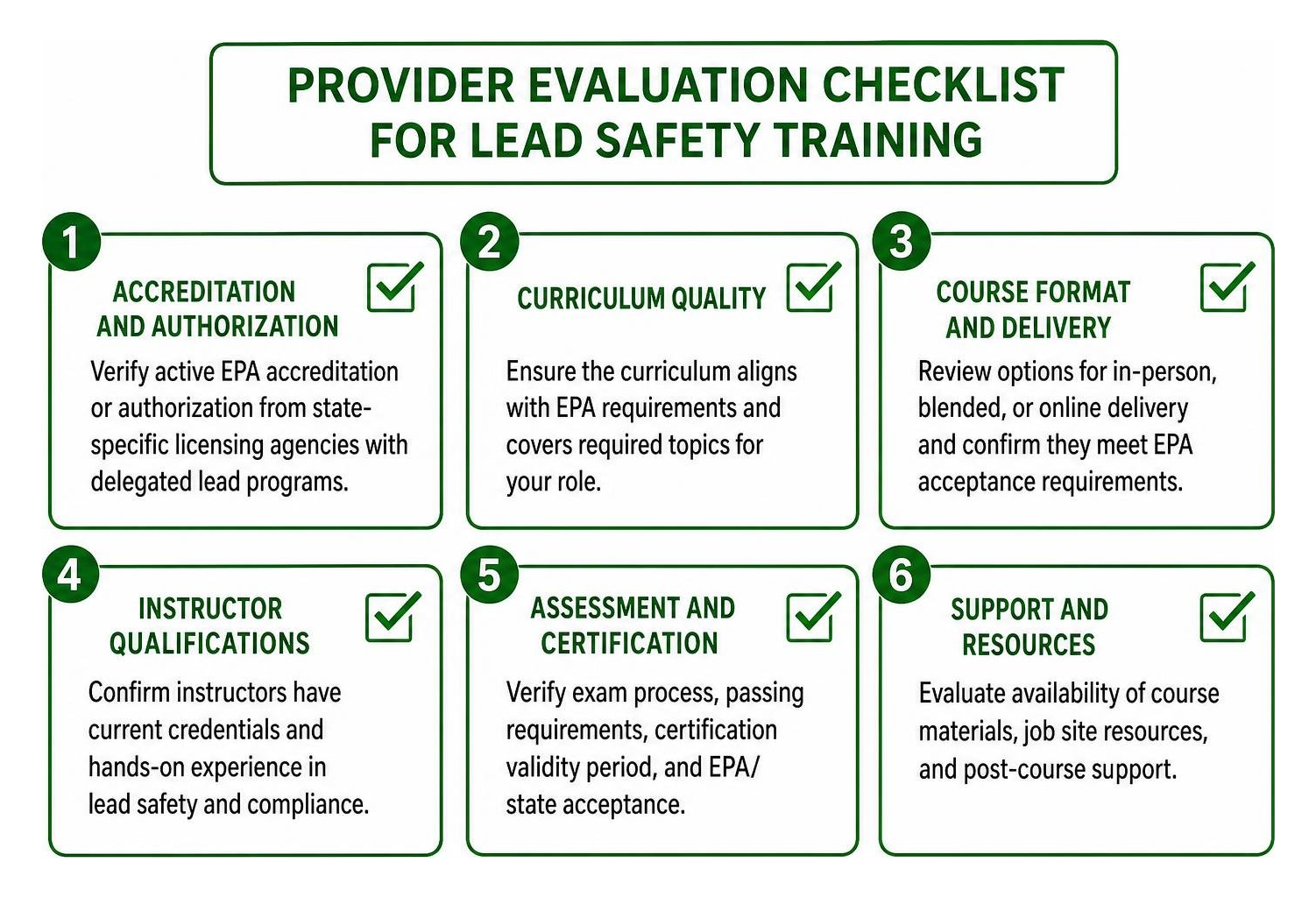
Enrolling in an accredited program is not simply about checking a regulatory box—it directly impacts your crew’s safety and your legal standing. Before registering your team, take time to review taking a closer look at lead training courses and their importance to evaluate training depth, instructional quality, and real-world applicability.
Accreditation Standards and Curriculum Quality in a Lead Training Course
A premier training provider must hold active EPA accreditation or authorization from state-specific licensing agencies that operate their own delegated lead programs. Knowing how to choose an EPA accredited training provider protects you from unaccredited entities whose certificates will not hold up during an audit.

High-performing industrial programs borrow principles from other compliance-driven industries, such as hospitality auditing frameworks (like FSSAI food safety systems) where rigorous, standardized execution prevents organizational risk.
Top-tier lead courses provide up-to-date curriculums reflecting recent 2026 dust-lead standards, ensuring workers practice on modern equipment and navigate realistic compliance scenarios.
Delivery Formats and Hands-On Requirements for a Lead Training Course
Federal and state mandates require hands-on training components for initial lead credentials. Hands-on exercises cannot be replaced with remote reading; students must physically practice setting up containment zones, applying chemical test kits, executing cleaning verification wipes, and performing respirator seal checks.
To serve diverse crews, leading training organizations offer flexible hybrid learning options alongside dedicated multilingual instruction, including full Spanish-language courses.
Modern project leaders also benefit from adopting structured operational frameworks—similar to the organizational workflows taught in advanced management modules like Lead with AI | AI Leader Advanced—to organize field documentation, schedule refresher deadlines, and track crew safety certifications across multiple ongoing job sites.
Certification Longevity, Compliance Audits, and Next Steps
Securing an individual training certificate is only half of the regulatory requirement. Under EPA RRP rules, your business must also obtain a separate Lead-Safe Firm Certification, which is valid for five years and requires an application directly to the EPA.
Maintaining meticulous project documentation and tracking renewal cycles ensures that your business remains audit-ready when federal or state inspectors arrive.
At ZOTA Professional Training, we deliver nationwide EPA-accredited, hybrid, and on-site certification programs designed to keep your business fully compliant, safe, and competitive. When you are ready to certify your team or upgrade your credentials, EPA Lead Certification options from ZOTA will provide the hands-on expertise your field crews require.