
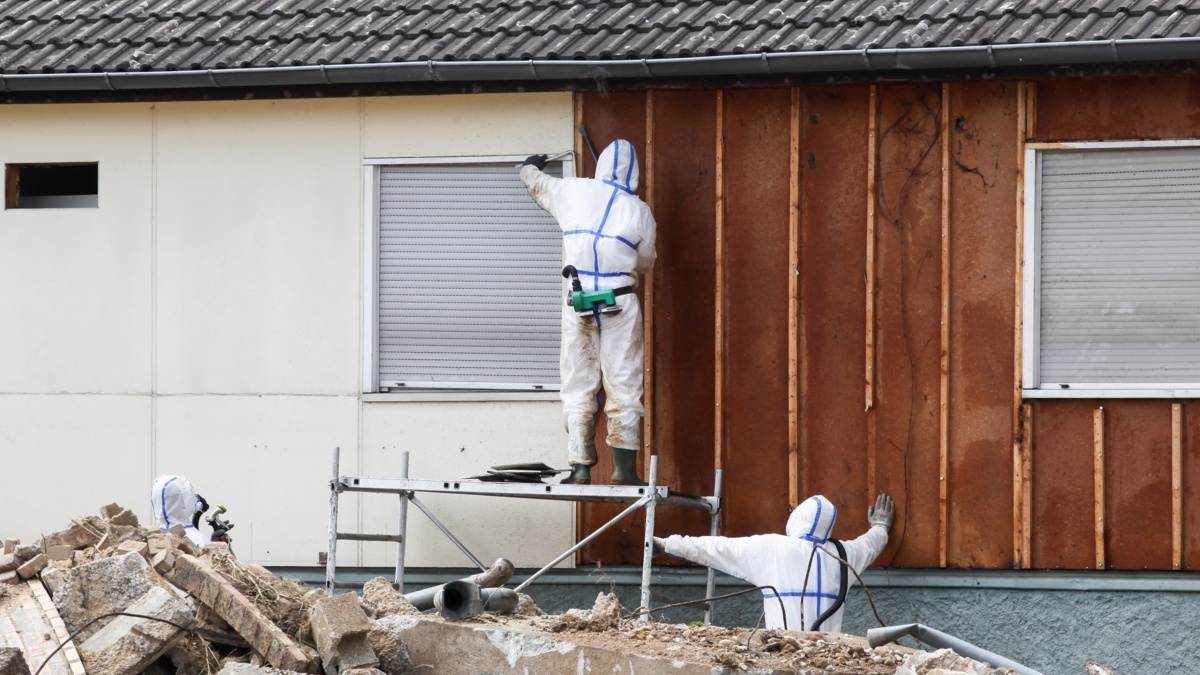
Asbestos certification roles are not interchangeable. A worker, supervisor, inspector, project designer, management planner, and project monitor may all work around asbestos, but each role has a different function and training path.
For contractors, consultants, facility teams, and safety managers, choosing the right asbestos training course starts with the work being performed. Someone who removes asbestos-containing materials may not need the same course as someone who inspects a building, designs an abatement plan, or oversees work on behalf of a property owner.
Why Do Asbestos Certification Roles Matter?
Asbestos certification roles matter because each role is tied to a specific job function. EPA’s asbestos professional training disciplines include worker, contractor/supervisor, inspector, management planner, and project designer, with project monitor listed as a recommended training discipline.
This role-based structure helps separate hands-on abatement work from inspection, planning, supervision, and owner representation. It also helps employers avoid treating “asbestos certification” as one universal credential.
One Asbestos Certification Does Not Cover Every Task
A worker may be trained to perform abatement tasks, but that does not automatically mean the same person is trained to inspect a building or design an abatement project. An inspector may identify suspect asbestos-containing materials, but that does not mean the inspector is qualified to supervise removal crews.
Role clarity matters before training begins. The right course should match the task the student will actually perform, not just the job title printed on a business card, as mismatched roles or skipping asbestos training can lead to severe legal consequences entirely.
Role Confusion Can Create Compliance Problems
Confusion often starts when a company says it needs “asbestos certification” without defining the role. A maintenance employee, abatement crew member, project supervisor, and environmental consultant may all need asbestos-related training, but their course requirements can differ.
Project scope also matters. When choosing asbestos awareness training for occasional building maintenance, a person should not assume awareness-level training allows them to perform abatement, inspection, or project design.
What Does an Asbestos Worker Do?
An asbestos worker is generally trained to perform hands-on asbestos abatement tasks under appropriate supervision. This role is usually connected to the field labor involved in removing, handling, cleaning, or supporting asbestos abatement work.
Worker responsibilities may involve containment setup, personal protective equipment, decontamination procedures, removal support, cleanup, and following the project specifications. A strong worker course helps students understand the practical steps of the job and the safety reasons behind those steps.
What Does an Asbestos Supervisor Do?
An asbestos supervisor, sometimes called a contractor/supervisor, generally oversees asbestos abatement work and directs crew practices on the jobsite. This role involves more responsibility than performing assigned tasks.
Supervisors often need to understand regulated areas, containment, work practices, documentation, crew coordination, and jobsite controls. A supervisor may also be responsible for making sure workers follow the planned process and that project conditions are managed correctly.
What Does an Asbestos Inspector Do?
An asbestos inspector is generally trained to inspect buildings for asbestos-containing materials or suspect asbestos-containing materials. This role is different from removing material or supervising abatement work.
Inspection work may involve identifying suspect materials, collecting samples where appropriate, documenting locations and conditions, and preparing information that may affect future management or abatement decisions. Worker or supervisor training should not be treated as a substitute for inspector training when a project requires checking for asbestos before remodeling to ensure safety and compliance.
What Does an Asbestos Project Designer Do?
An asbestos project designer generally plans how asbestos abatement work should be conducted. This role focuses on turning project needs, inspection information, and regulatory requirements into a plan or specification for abatement.
Project design requires a different skill set than hands-on removal or building inspection. A designer needs to think through scope, methods, sequencing, containment, engineering controls, and documentation before the work begins.
Project Design Is Different From Inspection
Inspection identifies asbestos-containing materials or suspect materials. Project design uses that information to define how abatement work should be approached.
A common mistake is assuming that the person who finds the asbestos should also determine every detail of how removal should happen. In many projects, inspection and project design are separate functions because each requires a different type of judgment.
Why Designers Need Role-Specific Training
Project designers need to understand how abatement decisions affect workers, occupants, building operations, and project compliance. The design may influence containment strategy, work sequencing, disposal planning, and communication between contractors and owners.
Role-specific training helps designers avoid planning gaps that can cause field confusion. A vague or incomplete design can create problems for supervisors, workers, and property owners once abatement begins.
What Other Asbestos Training Roles Should Professionals Know?
Some professionals may need a management planner, a project monitor, OSHA awareness, or asbestos safety training, depending on their work. These roles and training types support asbestos management, jobsite oversight, and hazard recognition, but they should not be treated as interchangeable. Understanding these distinct requirements highlights why asbestos training matters across all operational levels.
| Role or training type | General purpose |
| Management planner | Uses inspection information to help plan asbestos management in certain facilities |
| Project monitor | Represents an owner or facility during abatement work and monitors contractor performance against project requirements |
| OSHA Asbestos Awareness | Helps workers recognize asbestos hazards and understand basic safety responsibilities |
| OSHA Asbestos Training Course | May apply based on worker exposure, job class, and employer obligations |
| OSHA Asbestos Safety Online Courses | May support awareness-level training, but should not replace role-specific certification unless the course and regulation support that use |
Asbestos training is especially important for worker protection, often requiring individuals to pursue asbestos removal certification paths to remain compliant. OSHA’s asbestos construction standard covers work such as demolition, removal, alteration, repair, maintenance, and renovation where asbestos is present or asbestos-containing materials are involved.
How Should You Choose the Right Asbestos Training Course?
Choose the asbestos training course based on the task you perform, not only the job title you use. A person’s actual responsibilities should drive the course decision.
A practical way to narrow the training path is to ask:
- Do you perform hands-on abatement tasks?
- Do you supervise crews, regulated areas, or work practices?
- Do you inspect or sample suspect asbestos-containing materials?
- Do you design or specify how abatement work should be conducted?
- Do you monitor abatement work on behalf of an owner or facility?
- Do you only need hazard recognition or OSHA Asbestos Awareness for your job?
Employers should also consider whether initial vs. refresher training, state approval, or additional documentation applies. ZOTA Professional Training offers asbestos training courses to help professionals compare course options based on role, work type, and training need.
Which Asbestos Training Course Fits Your Role?
ZOTA Professional Training helps professionals and employers compare asbestos training courses based on the role being performed, from awareness-level safety needs to certification-focused training. If you are deciding between a worker, supervisor, inspector, project designer, project monitor, refresher, or OSHA-related training, start with our asbestos training page to review available course options.
Choosing the right course starts with understanding the work you do. Contact ZOTA Professional Training today to confirm whether your role requires asbestos worker training, supervisor training, inspector training, project designer training, refresher training, OSHA Asbestos Awareness, or another asbestos safety course before registering.