
Lead Paint Rules: What Contractors Need to Know
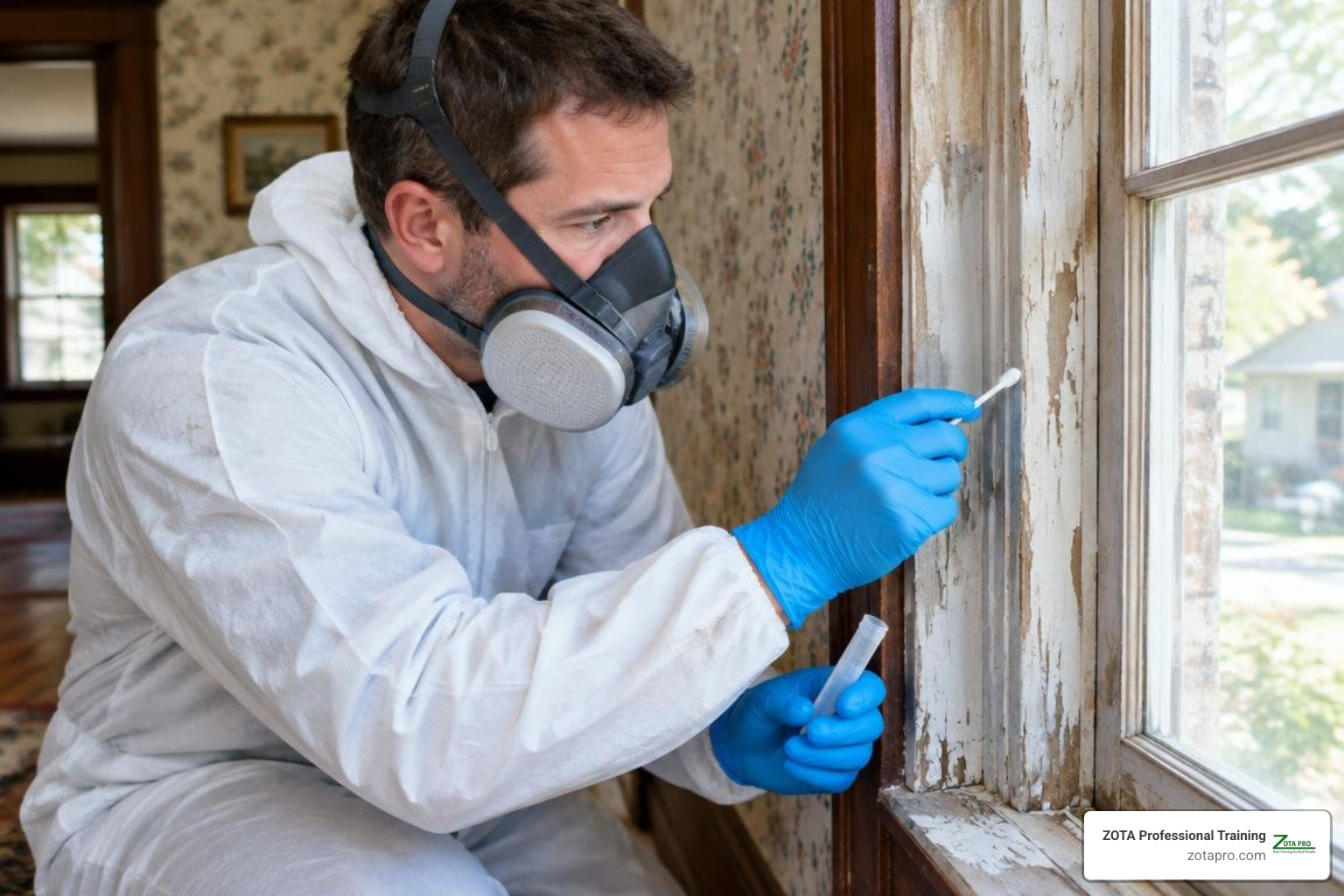
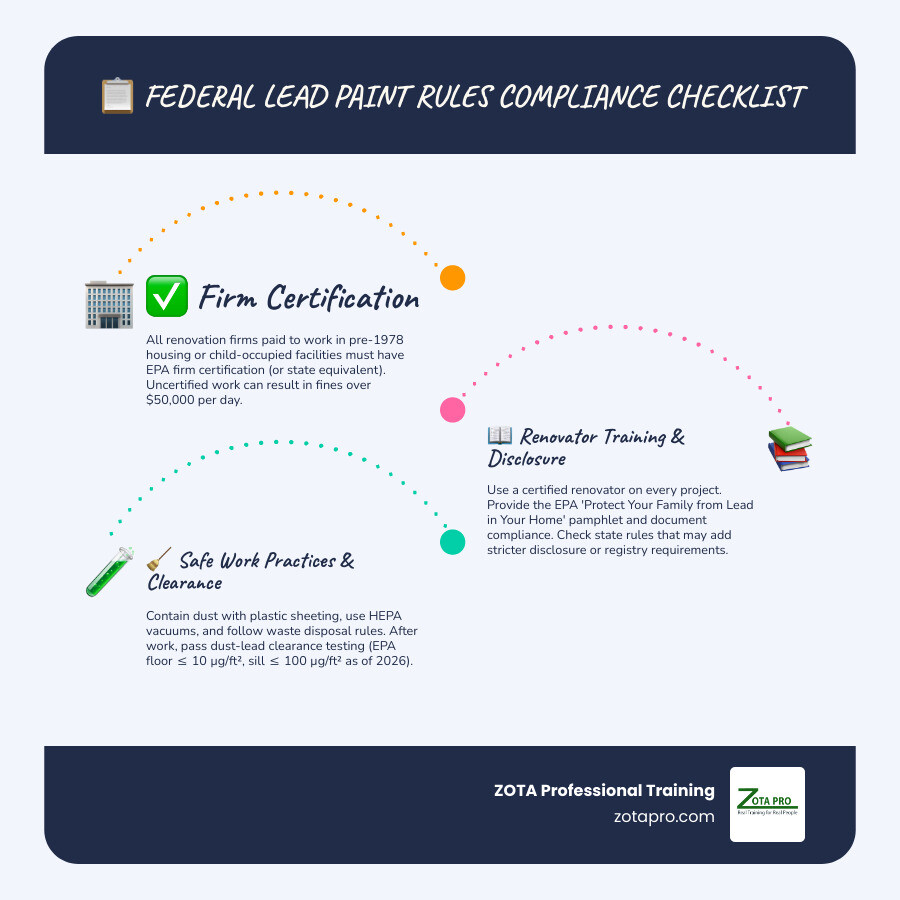
Working on a home or child-occupied facility built before 1978? Federal lead paint rules generally require paid renovation firms to be certified, use a certified renovator, give occupants the required lead-safety information, and follow practices that keep lead dust from spreading. Small jobs may qualify for an exemption, but you should check the limits before work starts. State and local rules may add requirements.
These rules matter because disturbing old paint can expose children to lead dust. EPA’s updated dust-lead standards also make it important to check the current testing and clearance rules when a project calls for them.
I’m Bob Zak, founder of ZOTA Professional Training. I’ve spent more than 32 years in occupational health and safety, including training contractors to understand and follow lead paint rules.
Core Lead Paint Rules: Frameworks, Standards, and Thresholds
When dealing with older structures, multiple federal agencies share the responsibility of protecting public health. The statutory backbone rests largely on the Toxic Substances Control Act (TSCA) Title X, enforced primarily by the Environmental Protection Agency (EPA) and the Department of Housing and Urban Development (HUD).
At the consumer level, the Consumer Product Safety Commission (CPSC) regulates paint manufacturing standards under 16 CFR Part 1303, which originally banned lead-based coatings in consumer goods in 1978 and later tightened allowable concentrations to 0.009% (90 ppm).
| Federal Agency | Primary Regulation | Key Threshold / Requirement | Covered Scope |
|---|---|---|---|
| EPA | 40 CFR Part 745 (RRP & Abatement) | Certified firms, lead-safe practices, action levels | Pre-1978 target housing & child-occupied facilities |
| HUD | 24 CFR Part 35 (Lead Safe Housing Rule) | Visual assessments, clearance testing, hazard control | Federally assisted or subsidized housing |
| CPSC | 16 CFR Part 1303 | Maximum 0.009% (90 ppm) lead in consumer paints | Consumer paint products, toys, and furniture |
| OSHA | 29 CFR 1926.62 | Permissible Exposure Limit (PEL) of 50 µg/m³ air | Worker safety and construction occupational exposure |
Historical Evolution and Scope of Lead Paint Rules
Federal oversight expanded dramatically from a simple manufacturing ban to full lifecycle management of painted structures. After the 1978 consumer paint ban, Congress passed Title X (the Residential Lead-Based Paint Hazard Reduction Act of 1992). This shifted the national focus toward proactive hazard identification and containment in “target housing” (residential properties built before 1978) and child-occupied facilities such as daycares and preschools.
Understanding the scope of the Lead RRP Rule is essential for any professional disturbing coated surfaces. Historically, homeowners could sign opt-out waivers if no children or pregnant women resided in the home, but the EPA eliminated that opt-out provision in 2010 to protect future occupants and surrounding communities. Contractors working across various property types must continue navigating the laws of lead to ensure federal guidelines are met on every job site.
Key Federal Regulations: RRP Rule, Title X, and Consumer Limits
The standard benchmark for remodelers and specialty trades is codified under 40 CFR Part 745. The EPA RRP Program Rules govern any work that disturbs painted surfaces in pre-1978 properties.
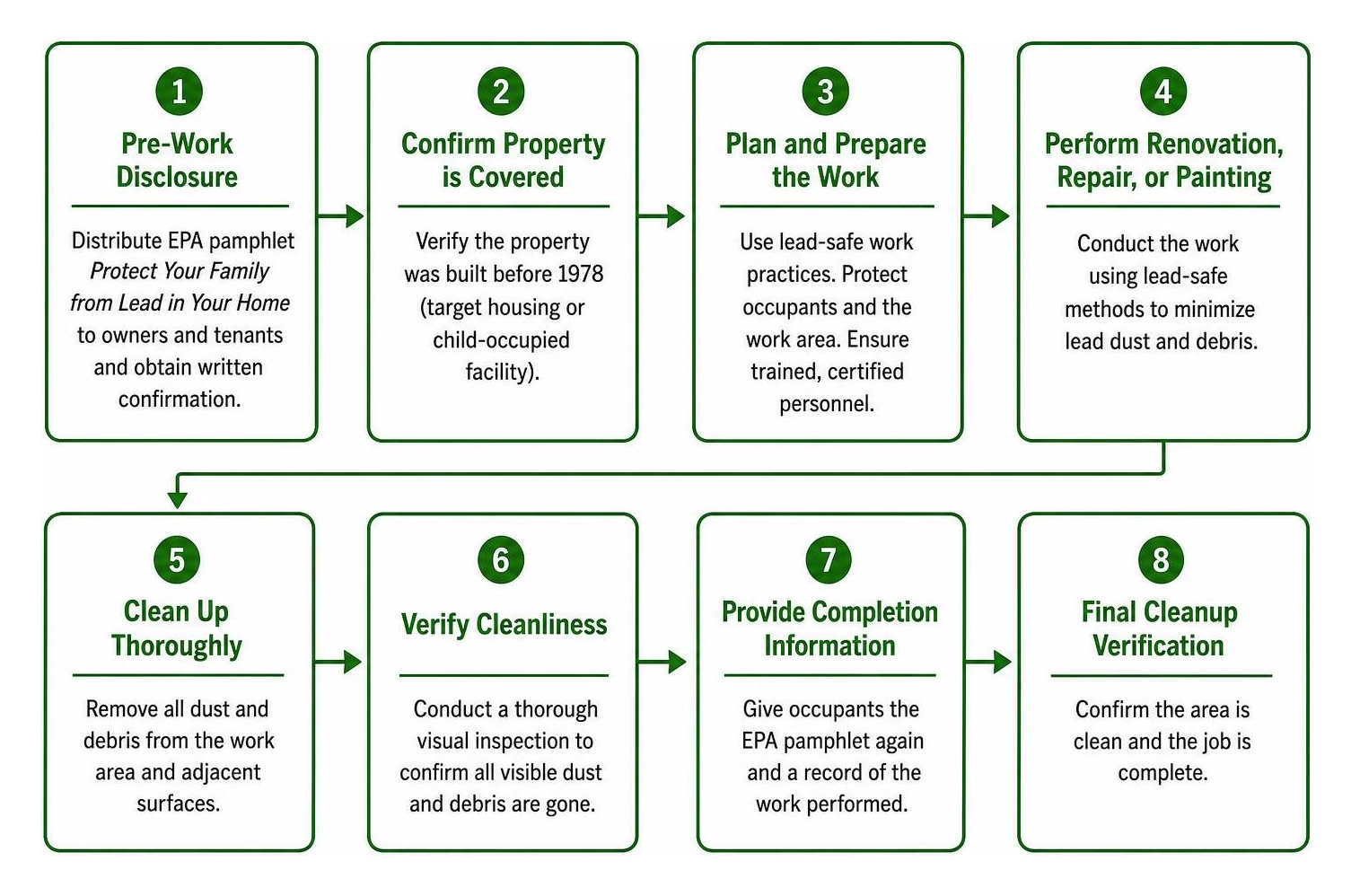
Before starting any qualifying project, contractors must distribute the EPA pamphlet Protect Your Family from Lead in Your Home to property owners and tenants and obtain written confirmation of receipt. In real estate sales and leases, Title X grants buyers a mandatory 10-day window to conduct independent paint inspections.
If you are new to these operational requirements, our guide to the Lead Renovation, Repair, and Painting Rule breaks down daily job site expectations. Keeping up with the latest updates in EPA lead regulations ensures your business avoids unexpected compliance surprises as standards evolve.
Navigating State and Local Lead Paint Rules
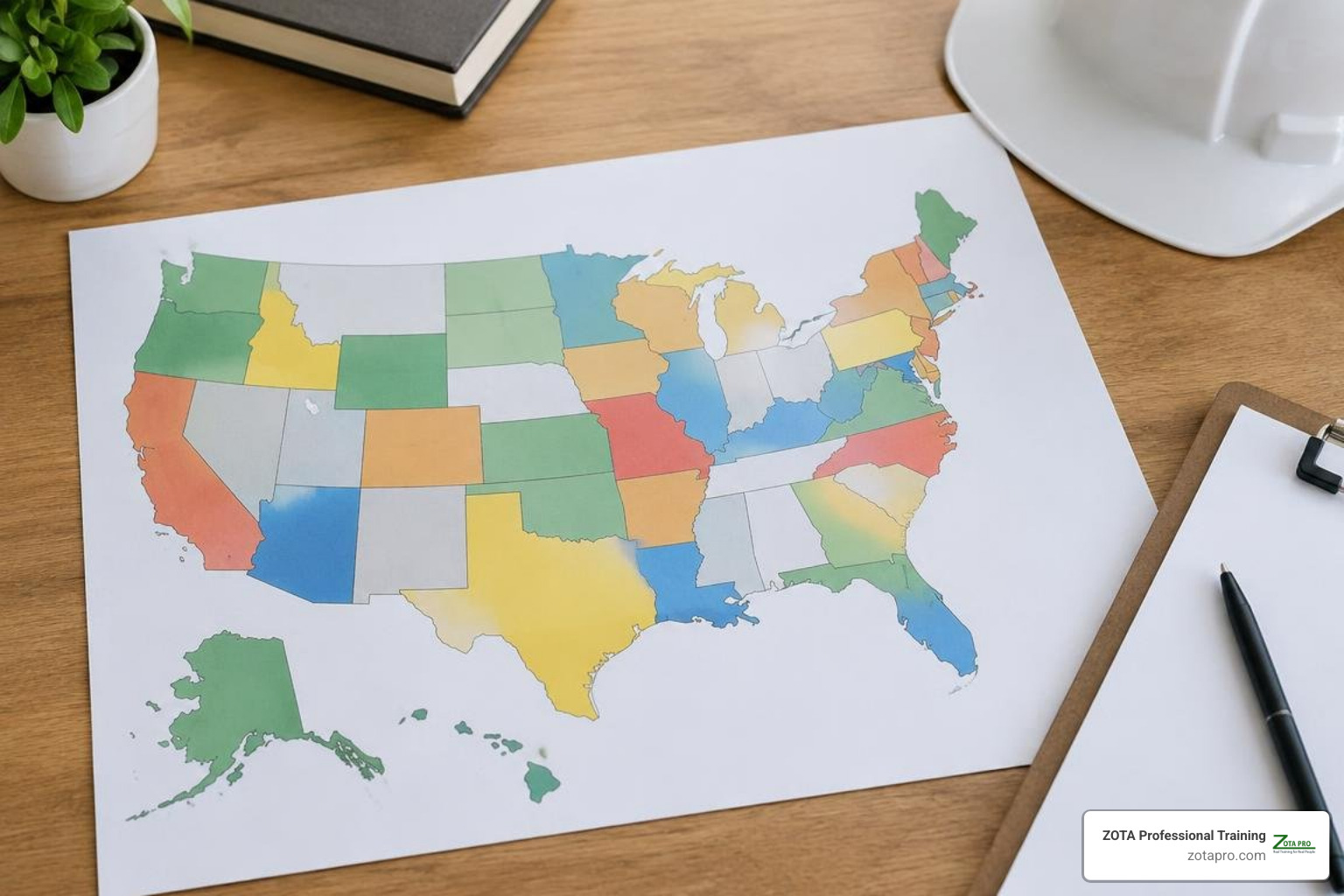
While federal rules establish a national baseline, many states operate EPA-authorized programs that impose tighter restrictions. States such as Massachusetts, Wisconsin, Oregon, and Rhode Island administer their own RRP programs, often requiring state-specific licensing, tighter reporting timelines, or mandatory third-party dust wipe clearance on standard renovations.
Municipal governments also implement local ordinances. Cities with older housing stock frequently maintain pre-1978 rental registries and mandate periodic lead-safe certifications before landlords can issue new leases. We recommend reviewing fundamental lead safety rules across local health departments to ensure your projects meet both municipal and federal thresholds.
Enforcement, Safety Standards, and Compliance Best Practices

Federal enforcement under 40 CFR Part 745 Subpart D carries significant civil liability. The EPA regularly conducts unannounced site visits and audits contractor records for firm licensing, individual credentials, containment quality, and documentation retention.
Federal standards also receive periodic technical refinements. For example, a Federal Register notice regarding residential lead-based paint poisoning prevention corrected regulatory text by updating wipe sampling definitions under 40 CFR 745.63.
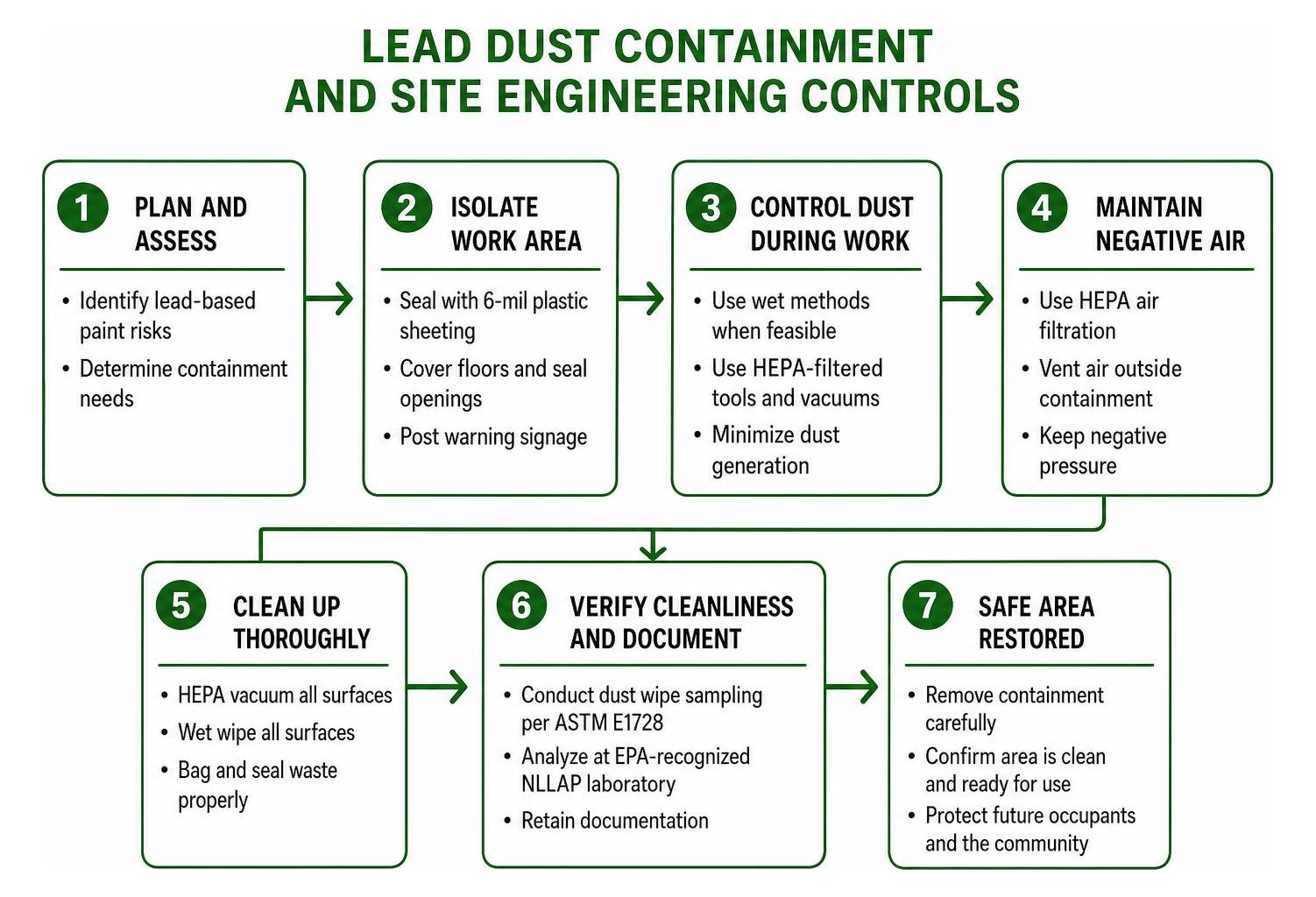
Dust-Lead Hazards, Testing Standards, and Exposure Limits
Under 40 CFR § 745.65 hazard definitions, lead hazards encompass deteriorated paint on friction, impact, or chewable surfaces, alongside elevated dust and soil concentrations. Modern standards distinguish between Dust-Lead Reportable Levels (DLRL)—which report any laboratory-detectable quantity—and Dust-Lead Action Levels (DLAL), which dictate remediation and post-abatement clearance.
Dust samples collected according to ASTM E1728 standards must be analyzed by an EPA-recognized National Lead Laboratory Accreditation Program (NLLAP) facility. Beyond interior dust, bare residential soil hazards remain set at 400 parts per million (ppm) in children’s play areas and an average of 1,200 ppm across the remaining yard.
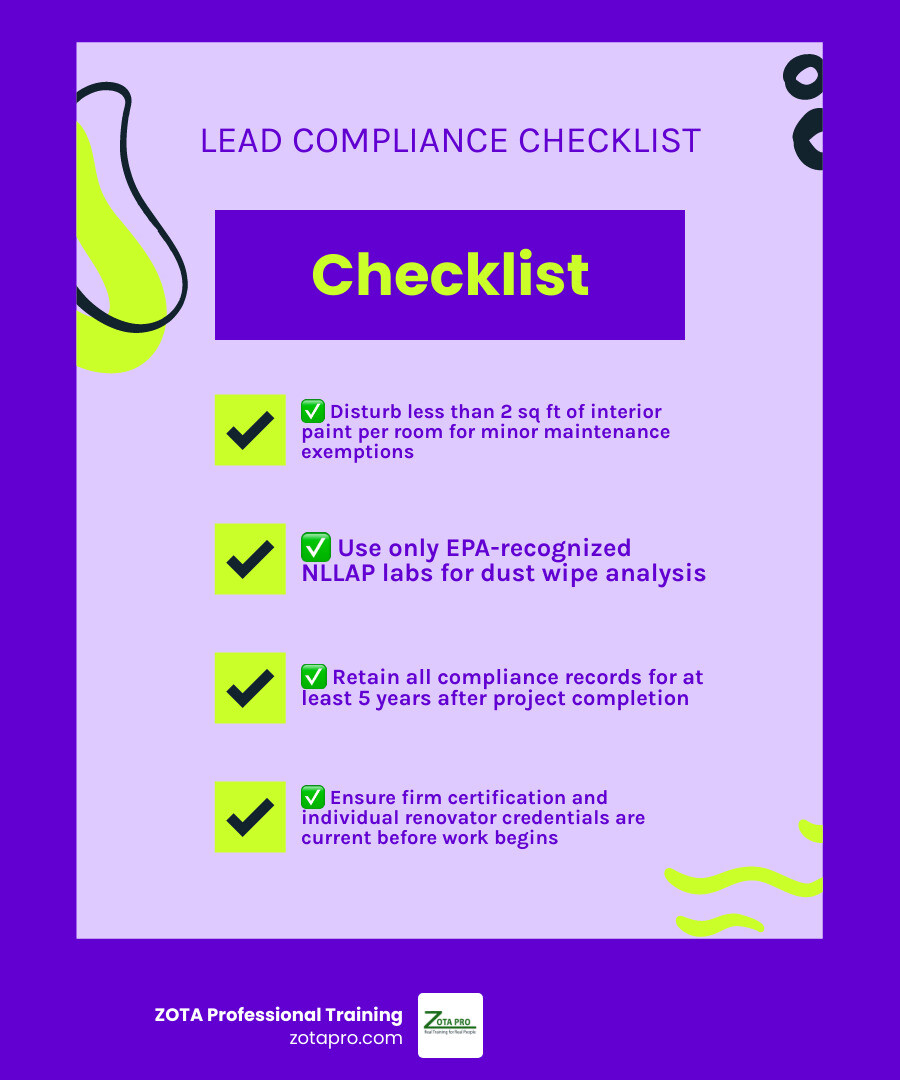
Minor maintenance projects may qualify for work practice exemptions if the disturbed area falls strictly below:
- Interior surfaces: Less than 2 square feet of deteriorated paint per room
- Exterior surfaces: Less than 20 square feet of total paint disturbance
- Component replacement: Less than 10% of the total surface area on small items (such as window sashes), excluding window replacements or demolition
Contractor Penalties, Safe Work Practices, and Firm Certification
Non-compliance with federal lead mandates can trigger civil penalties exceeding $40,000 per violation per day under TSCA Section 16. Common violations include failing to maintain firm certification, performing work without an assigned certified renovator, dry sanding without HEPA containment, and failing to retain five-year compliance records.
To maintain compliance, explore our lead paint certification compliance overview to ensure all team members hold active credentials. Individual renovator certifications require initial hands-on training followed by periodic refresher courses, as detailed in our guide to EPA lead certification in 2026.
At ZOTA Professional Training, we provide flexible, EPA-accredited training programs—including in-person, hybrid, and bilingual courses—to keep your crews qualified. If your business needs company-level licensing, secure your lead RRP firm certification today to stay compliant, protect your clients, and keep projects running safely.