

Federal Disclosure Rules and the Lead Based Paint Pamphlet for Renters
The lead based paint pamphlet for renters is the EPA/HUD/CPSC-approved booklet Protect Your Family from Lead in Your Home. Under federal law, landlords and property managers of most pre-1978 housing are legally required to provide this pamphlet to prospective tenants before a lease is signed. The requirement comes from Section 1018 of the Residential Lead-Based Paint Hazard Reduction Act of 1992, often called Title X.
Congress established these real estate disclosure mandates to ensure tenants can make informed decisions before moving into target housing. To understand these requirements in full detail, you can review the official Lead-Based Paint Disclsoure Rule Fact Sheet.
What Is the Official Lead Based Paint Pamphlet for Renters?
The cornerstone of federal disclosure is the EPA-approved booklet titled Protect Your Family from Lead in Your Home. Developed jointly by the Environmental Protection Agency (EPA), the Department of Housing and Urban Development (HUD), and the Consumer Product Safety Commission (CPSC), this guide outlines how lead hazards develop and how families can stay safe.
Under federal rules, landlords can provide this information digitally, provided they follow E-SIGN Act compliance and obtain written or verifiable electronic consent from the tenant. If you are currently evaluating whether it is safe to live in a house with lead paint, this booklet serves as your starting baseline. A complete, updated digital version is available directly via the official Protect Your Family Pamphlet 2026 document.
Landlord Requirements and Distributing the Lead Based Paint Pamphlet for Renters
Before any lease agreement becomes legally binding, housing providers must fulfill four primary legal duties:
- Provide the Pamphlet: Hand over the EPA lead pamphlet in the tenant’s primary language whenever available.
- Disclose Known Hazards: Formally disclose any known lead-based paint or related hazards present in the property, including common areas.
- Share Records: Provide copies of all available records, inspection reports, and risk assessments conducted on the property.
- Include Lease Warnings: Attach a formal Lead Warning Statement containing specific federally mandated language, signed by both the lessor and lessee.
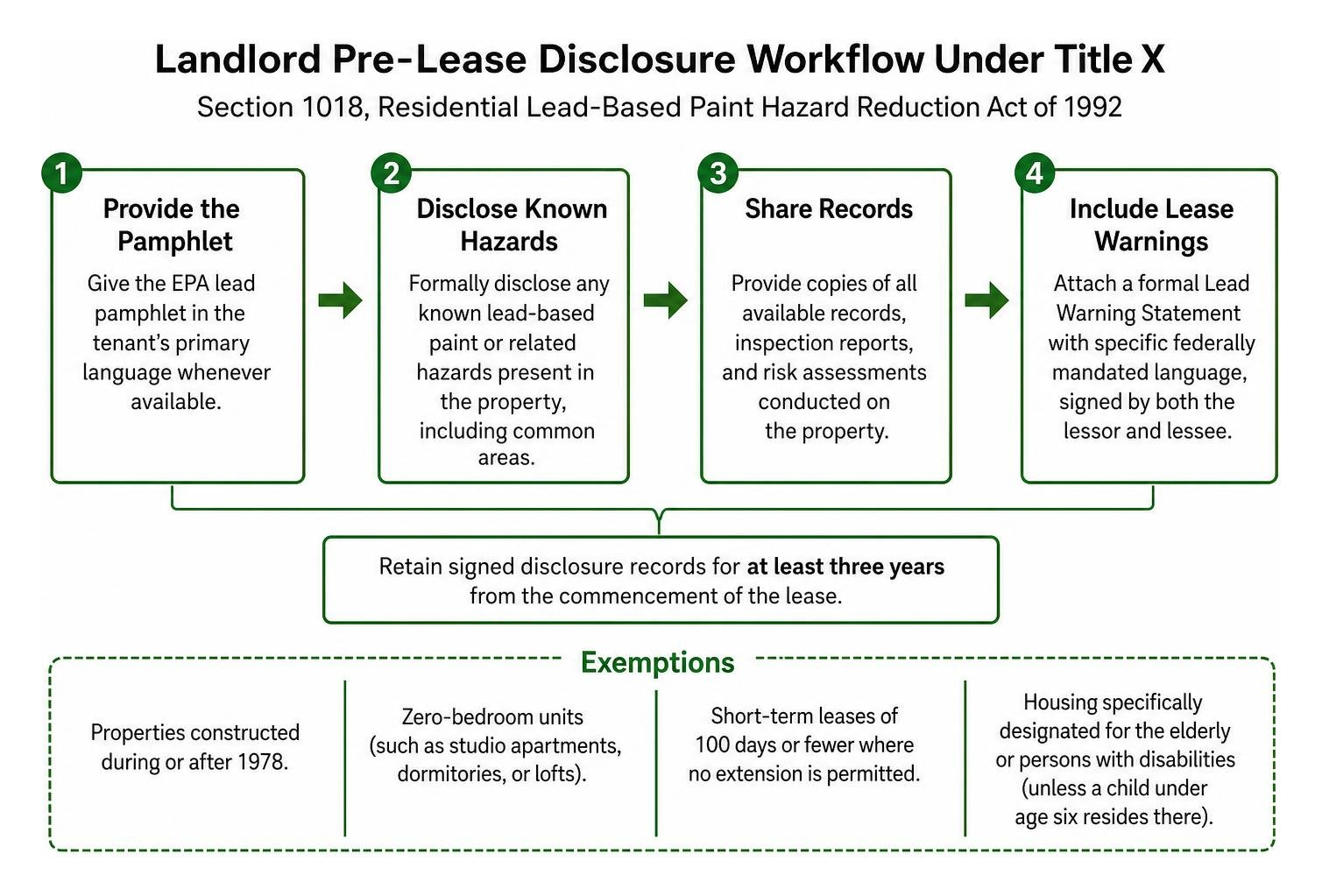
Housing providers must retain signed disclosure records for at least three years from the commencement of the lease. Certain housing categories are exempt from the rule, including:
- Properties constructed during or after 1978.
- Zero-bedroom units (such as studio apartments, dormitories, or lofts).
- Short-term leases of 100 days or fewer where no extension is permitted.
- Housing specifically designated for the elderly or persons with disabilities (unless a child under age six resides there).
Additionally, when renovators or maintenance workers disturb more than 2 square feet of painted surfaces in pre-1978 units, the EPA Renovation, Repair, and Painting (RRP) Rule requires them to deliver this safety pamphlet before work begins. To verify your lease paperwork, consult our guides on understanding your lead-based disclosure form and our compliance checklist for lead disclosure forms.
Key Health Risks of Lead Poisoning for Children and Pregnant Women
Lead is a toxic heavy metal that damages nearly every organ system in the human body. Even microscopic amounts of invisible lead dust can cause permanent neurological impairment when inhaled or ingested.
Children under the age of six face the greatest vulnerability because their brains and central nervous systems are actively developing. Furthermore, blood lead levels in infants tend to rise sharply between 6 and 12 months as mobility increases, reaching peak concentrations between 18 and 24 months of age due to routine hand-to-mouth exploration.
| Vulnerable Group | Primary Health Risks and Complications |
|---|---|
| Young Children (Under 6) | • Central nervous system and permanent brain damage • Decreased intelligence (IQ loss) and learning disabilities • Attention deficit disorder (ADD/ADHD) and behavioral issues • Slowed bone and muscle growth • Speech, language, and hearing impairments • Poor fine and gross motor coordination |
| Pregnant Women & Developing Fetuses | • Increased risk of miscarriage or premature birth • Low birth weight • Direct transfer across the placenta, damaging fetal brain and kidneys |
| Adults | • High blood pressure and cardiovascular complications • Kidney damage and digestive disorders • Reproductive toxicity and reduced fertility in men and women • Nerve disorders, memory loss, and chronic joint/muscle pain |
Tenant Rights, Daily Safety Protocols, and Reporting Violations
Intact lead-based paint in good condition is generally not hazardous. The primary risk arises when paint begins to deteriorate, crack, peel, or chalk, or when it sits on friction and impact surfaces. Daily movements across surfaces like window frames, sashes, door jambs, stairs, and baseboards crush old paint into ultra-fine dust.
The EPA and HUD define dangerous lead concentrations based on specific thresholds:
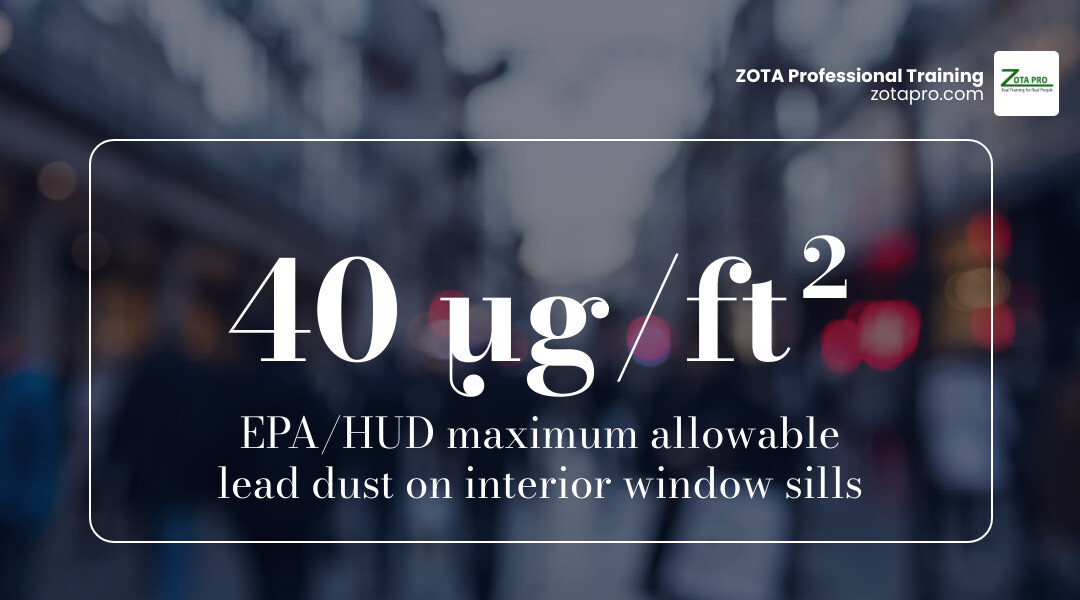
- Lead in Dust Clearance Levels: 5 micrograms per square foot for floors (including carpeted areas), 40 micrograms per square foot for interior window sills, and 100 micrograms per square foot for window troughs.
- Lead in Bare Yard Soil: 400 parts per million (ppm) in dedicated children’s play zones, and 1,200 ppm average across the remainder of the yard.
How to Spot Deteriorated Paint and Safely Clean Lead Dust
If you live in pre-1978 housing, adopt practical cleaning routines to reduce everyday dust ingestion without creating airborne hazards:
- Use Wet-Cleaning Methods: Never dry-sweep or use a conventional household vacuum on suspected lead dust, as this disperses toxic particles into your breathing zone. Wipe hard floors, baseboards, and window sills with disposable wet towels and warm water mixed with an all-purpose cleaner.
- Use HEPA Filtration: Only vacuum carpets and rugs using equipment fitted with a true High-Efficiency Particulate Air (HEPA) filter.
- Safety Warning on Cleaning Chemicals: Never mix ammonia and bleach together. This combination creates toxic chloramine gas rather than a better cleaning solution.
- Wash Hands and Toys Regularly: Wash children’s hands frequently, especially before meals and after outdoor play. Clean chewable toys and pacifiers daily.
- Run Cold Tap Water: If your building has older plumbing, flush cold water for 15 to 30 seconds before drinking or cooking. Never use hot tap water to prepare baby formula.
- Boost Nutritional Defenses: A healthy diet rich in calcium, iron, and vitamin C makes it harder for the body to absorb ingested lead. Foods like milk, yogurt, spinach, lean meats, and citrus fruits serve as a natural nutritional barrier.
For tenants residing in federally assisted housing, maintenance procedures must also align with the strict standards set by the HUD Lead Safe Housing Rule.
What to Do if Your Landlord Violates Federal Lead Disclosure Laws
If your landlord fails to provide the required disclosure forms, omits the safety pamphlet, or refuses to repair peeling paint, take systematic action:
- Provide Written Notice: Send a written, dated notification to your property owner or management company citing the deteriorated paint, and retain a copy for your records.
- Exercise Your Inspection Rights: Federal law grants buyers and prospective tenants up to a 10-day period to conduct an independent lead inspection or hazard assessment before lease obligations take effect (unless mutually adjusted in writing).
- Contact Local Code Enforcement: If the landlord ignores repair requests, notify your local municipal housing authority or county health department. Many jurisdictions issue direct citations for unaddressed peeling paint in pre-1978 properties.
- File an EPA Report: You can report disclosure violations directly to regional EPA offices. Property owners who deliberately violate Title X disclosure regulations face substantial civil penalties and may be liable in court for up to triple the amount of actual tenant damages.
Professional Testing, Remediation, and EPA-Accredited Training
The only way to confirm whether paint, settled dust, or yard soil contains lead hazards is through certified testing.
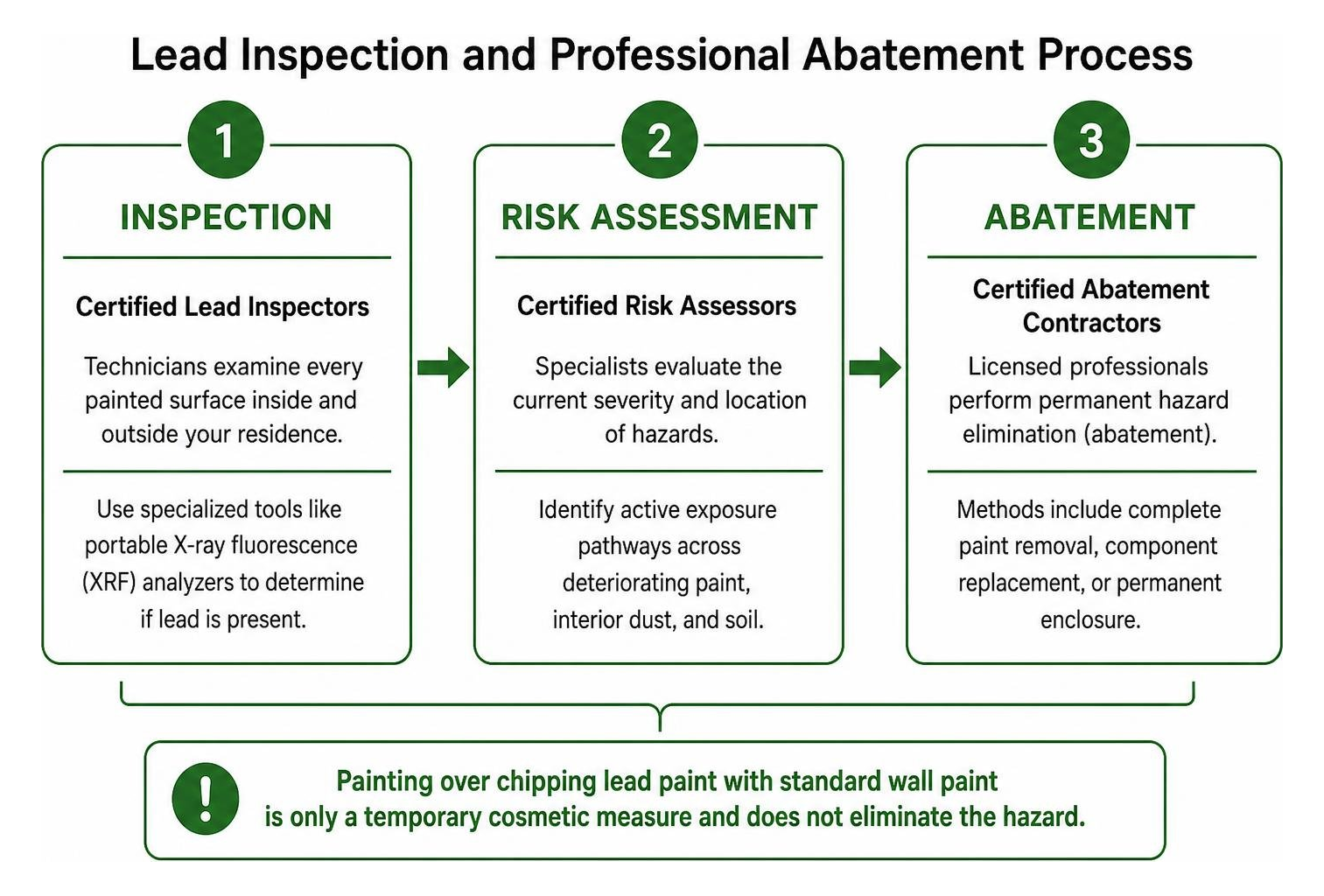
- Certified Lead Inspectors: Technicians who examine every painted surface inside and outside your residence using specialized tools like portable X-ray fluorescence (XRF) analyzers to determine if lead is present.
- Certified Risk Assessors: Specialists who evaluate the current severity and location of hazards, identifying active exposure pathways across deteriorating paint, interior dust, and soil.
- Certified Abatement Contractors: Licensed professionals qualified to perform permanent hazard elimination (abatement), such as complete paint removal, component replacement, or permanent enclosure. Painting over chipping lead paint with standard wall paint is only a temporary cosmetic measure and does not eliminate the hazard.
For immediate questions regarding testing resources or to locate certified risk assessors in your area, contact the National Lead Information Center.
At ZOTA Professional Training, we provide EPA-accredited lead, asbestos, mold, and OSHA certification courses (available in-person, online, and in bilingual English/Spanish formats). We help property managers, landlords, and environmental contractors master federal lead paint disclosure compliance and maintain lead-safe housing environments nationwide.